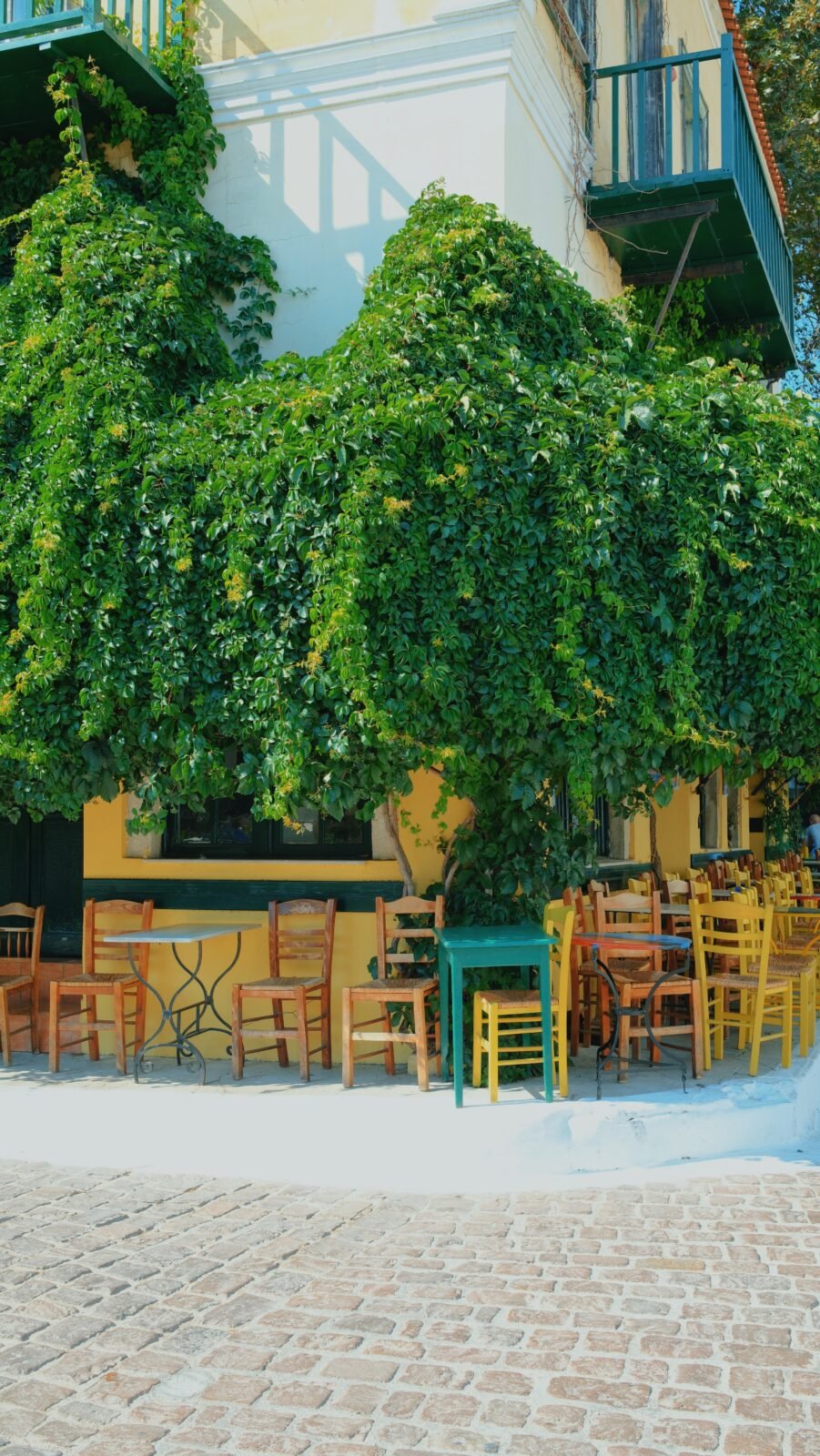
Unique Things to Do in Plomari, Lesvos: Ouzo Museum and Olive Oil Tasting
If you’re wondering what to do in Plomari, we can tell you about the two experiences that stuck with us the most: an ouzo distillery tour and an olive oil tasting. Greece is known for its local produce, feta, olive oil, fresh fish, wine and ouzo, and Plomari happens to be one of the best places on Lesvos to get up close to two of them at once. You get to see how they’re actually made, and then, of course, taste the results yourself. This is our honest review of both, including what to expect and whether they’re worth working into your day.
If you’re planning the rest of your trip, our complete guide to Lesvos, Greece has more on getting around the island, and our guide to Lesvos’ charming villages covers more stops like Plomari along the way.
Ouzo of Plomari: Touring Lesvos’ Most Famous Distillery
Plomari is famous as the birthplace of ouzo. This is the traditional Greek spirit people drink all over the country and export around the world. Lesvos alone has 17 ouzo distilleries, and together they produce roughly half of all the ouzo made in Greece.
We visited Ouzo of Plomari Isidoros Arvanitis to see how they make ouzo and to taste it ourselves. The distillery has a 130 year history and is a well known name both in Greece and abroad. That made it feel like the obvious place to start.

There’s a large parking area, so leaving the rental car isn’t a problem. Guided tours run every 30 minutes and you don’t really need to book ahead unless you want to. We were driving all the way from Molyvos, so having that flexibility around arrival time was genuinely useful.
The tour is also cheap. €2 per person gets you a tour that feels far more organised and professional than the price suggests.
What Is Ouzo, Exactly?
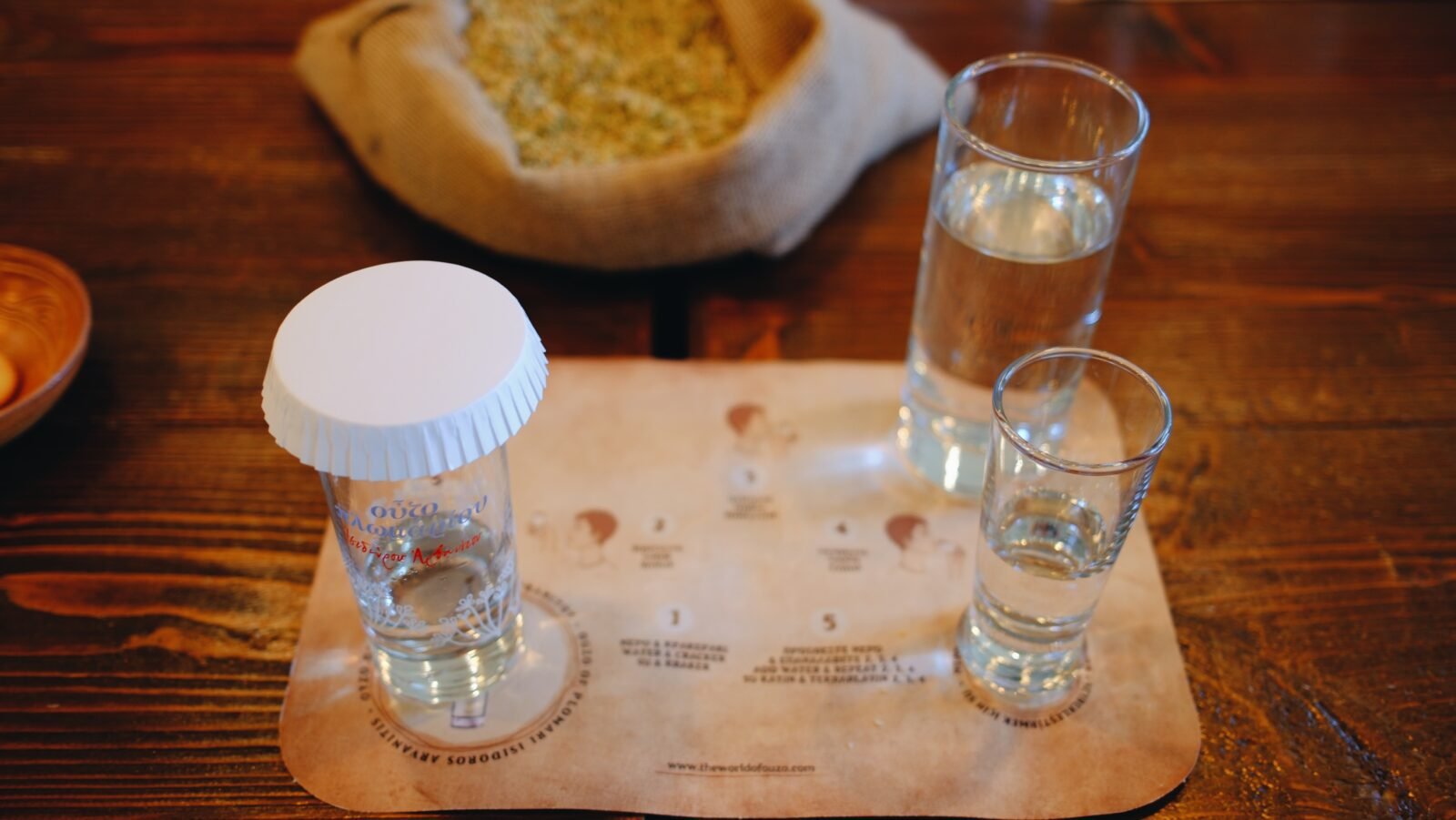
Ouzo is a clear Greek spirit, usually somewhere between 37.5 and 50% alcohol, and people often call it Greece’s national drink. Distillers make it with anise and, depending on the recipe, a mix of other herbs and spices, which is where that distinctive flavour comes from.
Locals drink it with water and ice. Add water and the clear spirit turns cloudy and almost milky, something people call the “ouzo effect.” You’ll usually find it served at an ouzeri, a relaxed Greek bar built entirely around ouzo. It usually comes with small shared plates called mezedes. Sitting down at an ouzeri with a carafe of ouzo and a few plates in front of you is one of the more authentic ways to spend an evening on Lesvos.
What is included in the tour
It starts with a short video about the history of ouzo and, more specifically, Plomari ouzo. After that you put on protective clothing before heading into the distillery and bottling area.
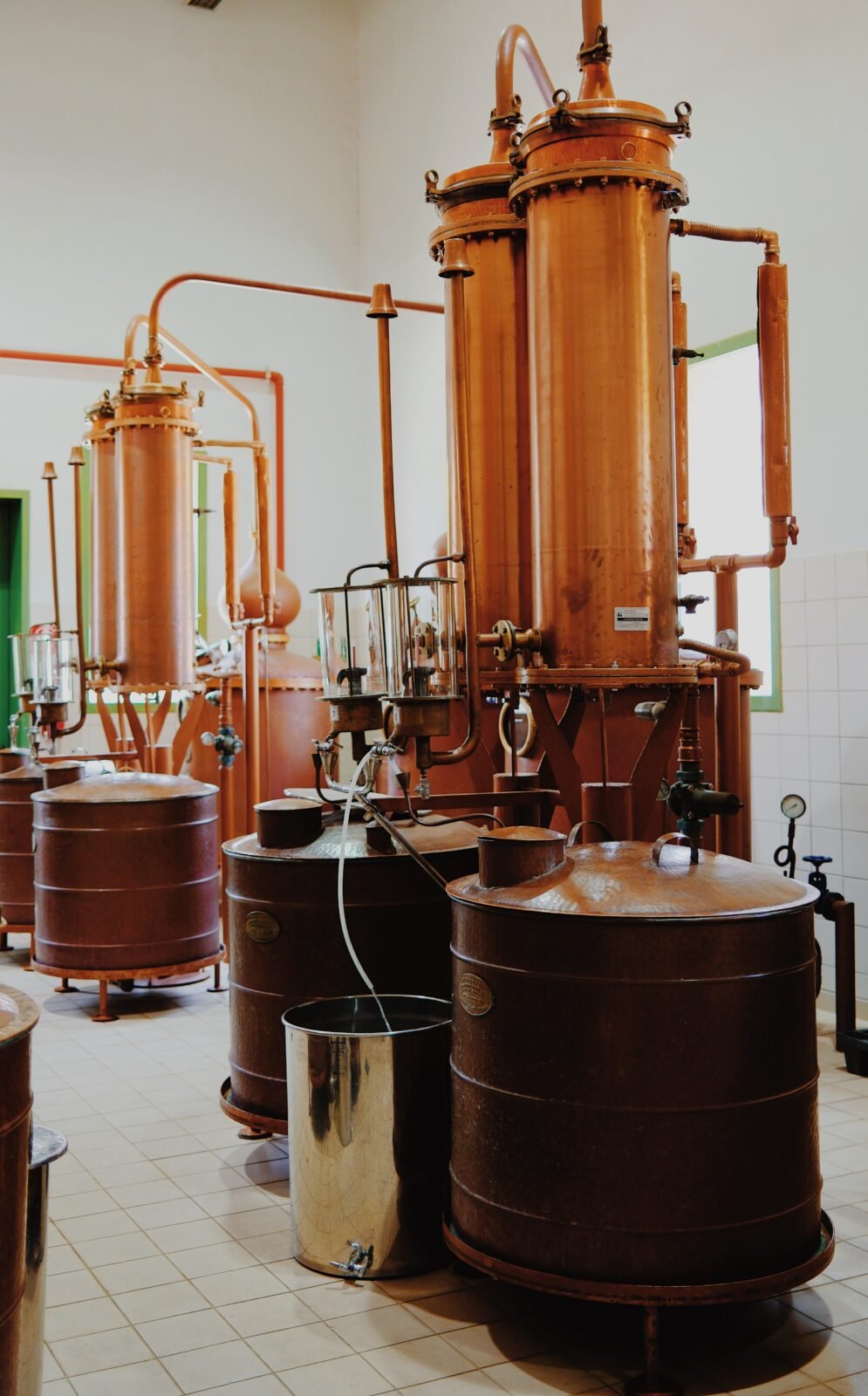
A lot of the production still runs on original equipment, and some of the older machines are on display outside. The guide walks you through each stage in English and answers questions as you go. The noise inside the distillery can get loud enough that you miss a word here and there, but you still see the whole process, right through to bottling and labelling.

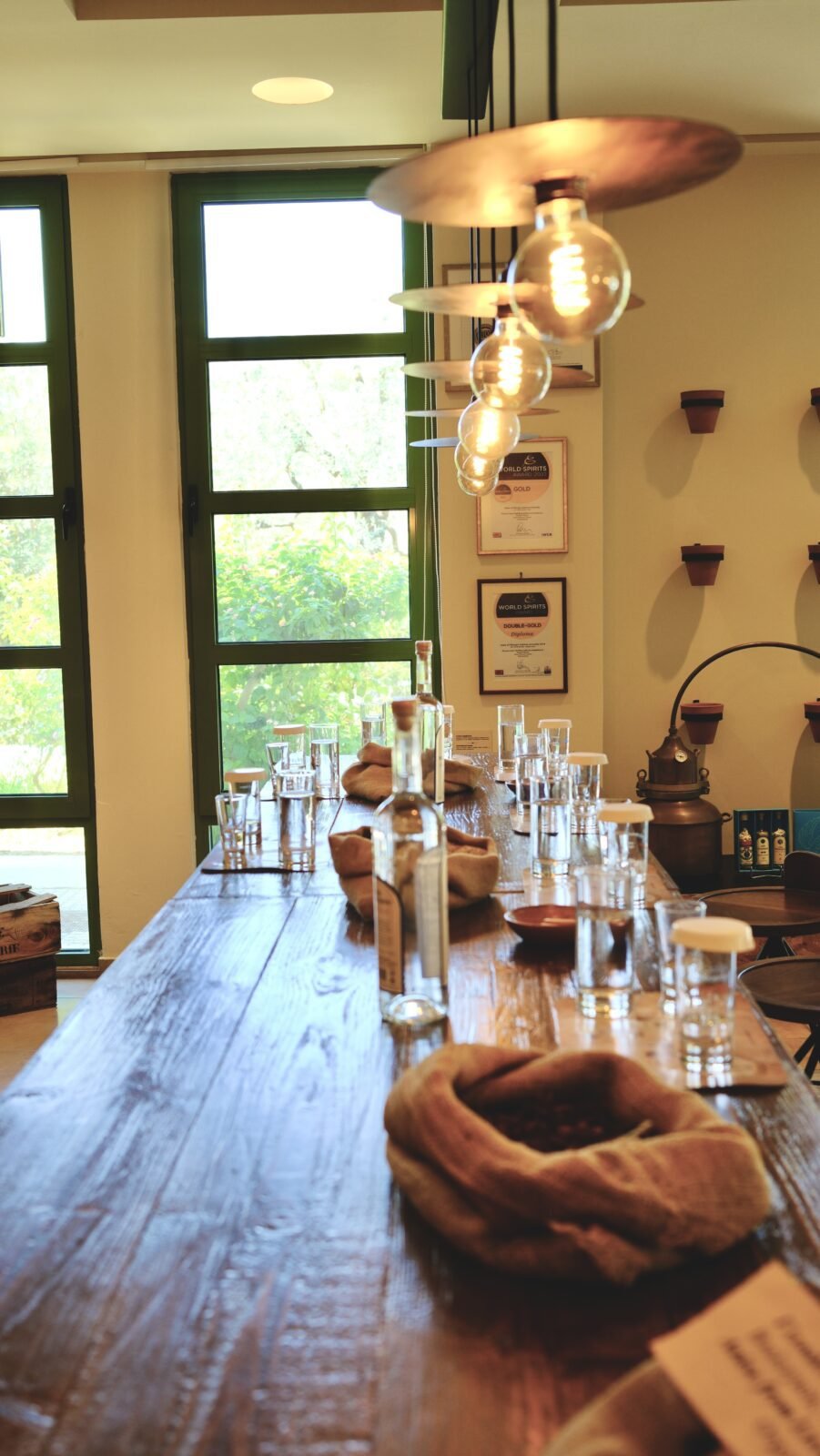
The tour ends with a tasting. You smell the spice blend first, then try the ouzo a few different ways: with water, without, with ice, while the guide explains how people traditionally enjoy it. Nothing about it felt rushed.
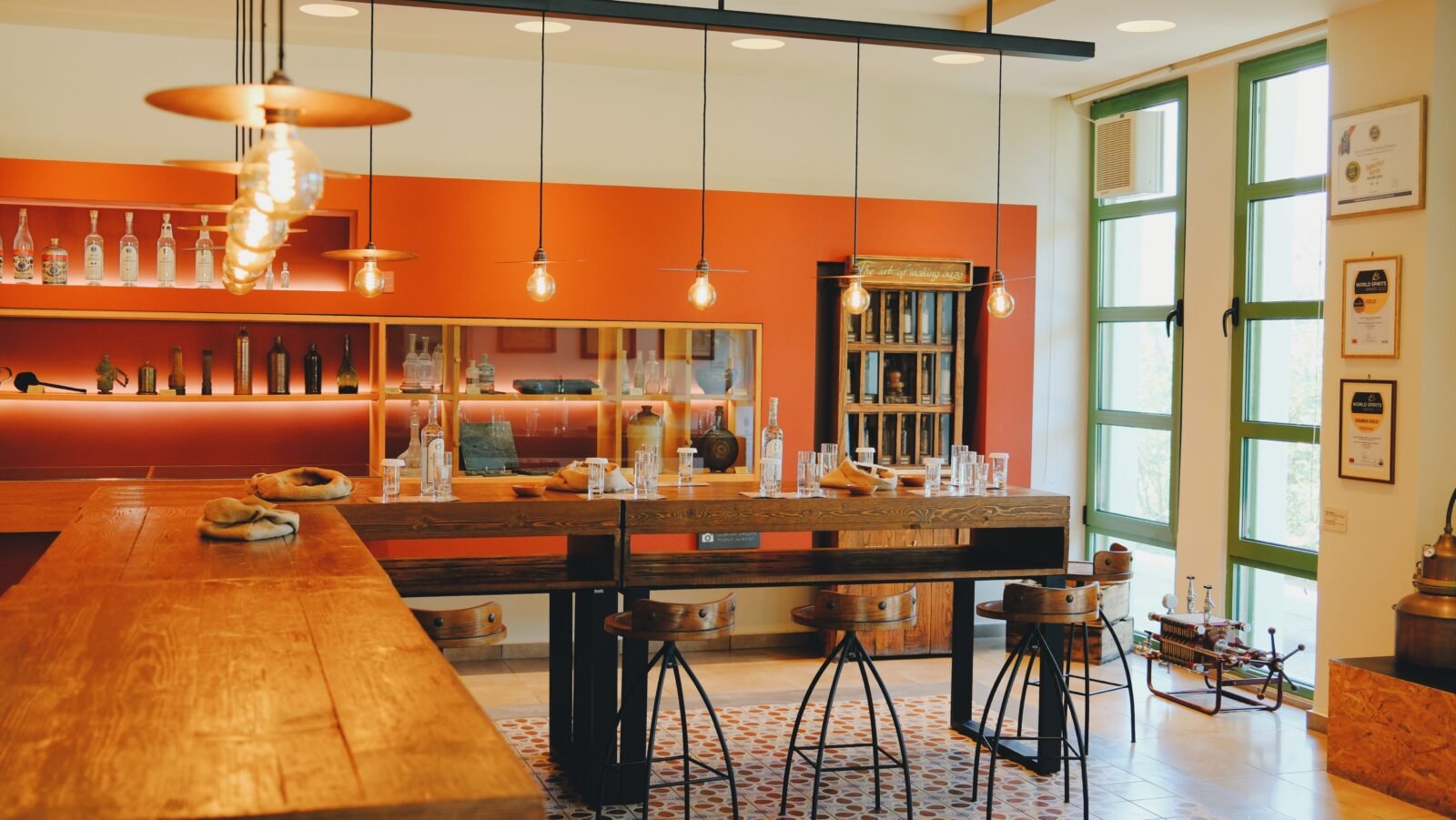
Final verdict
This is a must when visiting Plomari and Lesvos. It is an affordable but unique experience that gives you an insight into one of the island’s most distinctive traditions and something you can really only experience in this part of Greece.
Taste Olive Oil at Protoulis
Olive oil is just as central to life on Lesvos as ouzo is. With millions of olive trees across the island, it’s not just something that ends up on the table, it’s tied into the landscape and the way people here actually live.
What is olive oil?
Producers make olive oil by extracting oil from the fruit of olive trees, and people often call it liquid gold. It is rich in monounsaturated fats, antioxidants and vitamins and is an important part of the Mediterranean diet.
Olive oil is unfortunately also vulnerable to adulteration and mislabelling. In recent years, prices have increased significantly. Drought, extreme weather and difficult harvests have affected olive production in several parts of the world.
Lesvos as an olive oil region
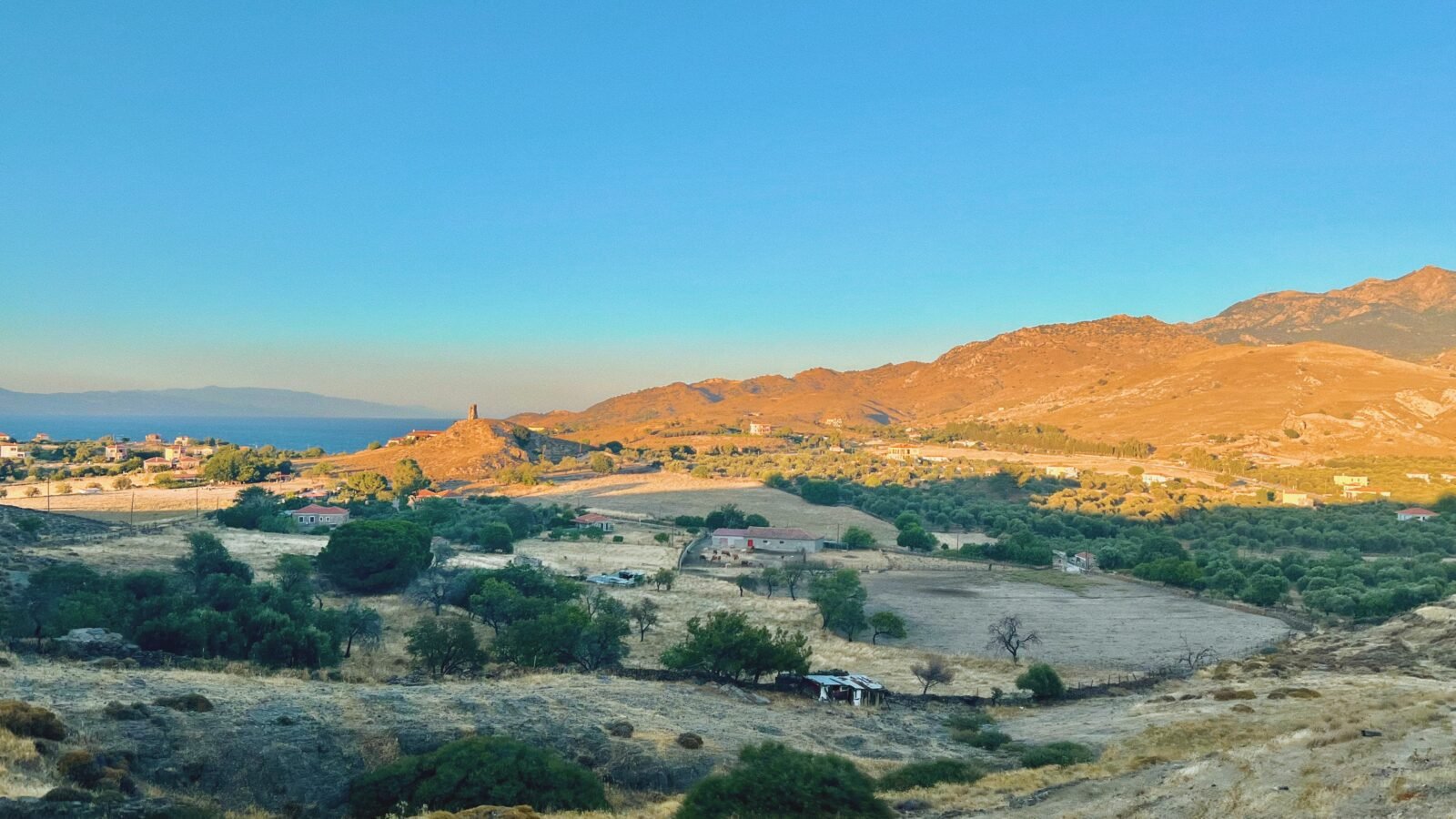
The landscape here looks nothing like the large, flat olive regions we have seen elsewhere. Lesvos is hilly, and many olive trees grow on steep slopes that a car can barely reach. Farmers plant the trees on terraces that follow the shape of the land.
The island holds around 11 million olive trees, roughly 122 for every person who lives here. The volcanic soil stays fertile, and wild herbs grow naturally underneath the trees, giving the local olive oil its own distinctive character.
Harvesting also relies heavily on manual work. Farmers use donkeys and mules to reach trees that machinery cannot get to. That’s quite different from regions such as Spain, where growers often de sign their groves around mechanised harvesting and keep the ground between the trees bare.
Visiting Protoulis Olive Oil
Protoulis is a family-run olive oil producer with its own olive groves and olive mill. Local farmers also bring their olives here to have them processed into olive oil. The company has been producing olive oil on Lesvos for several decades.
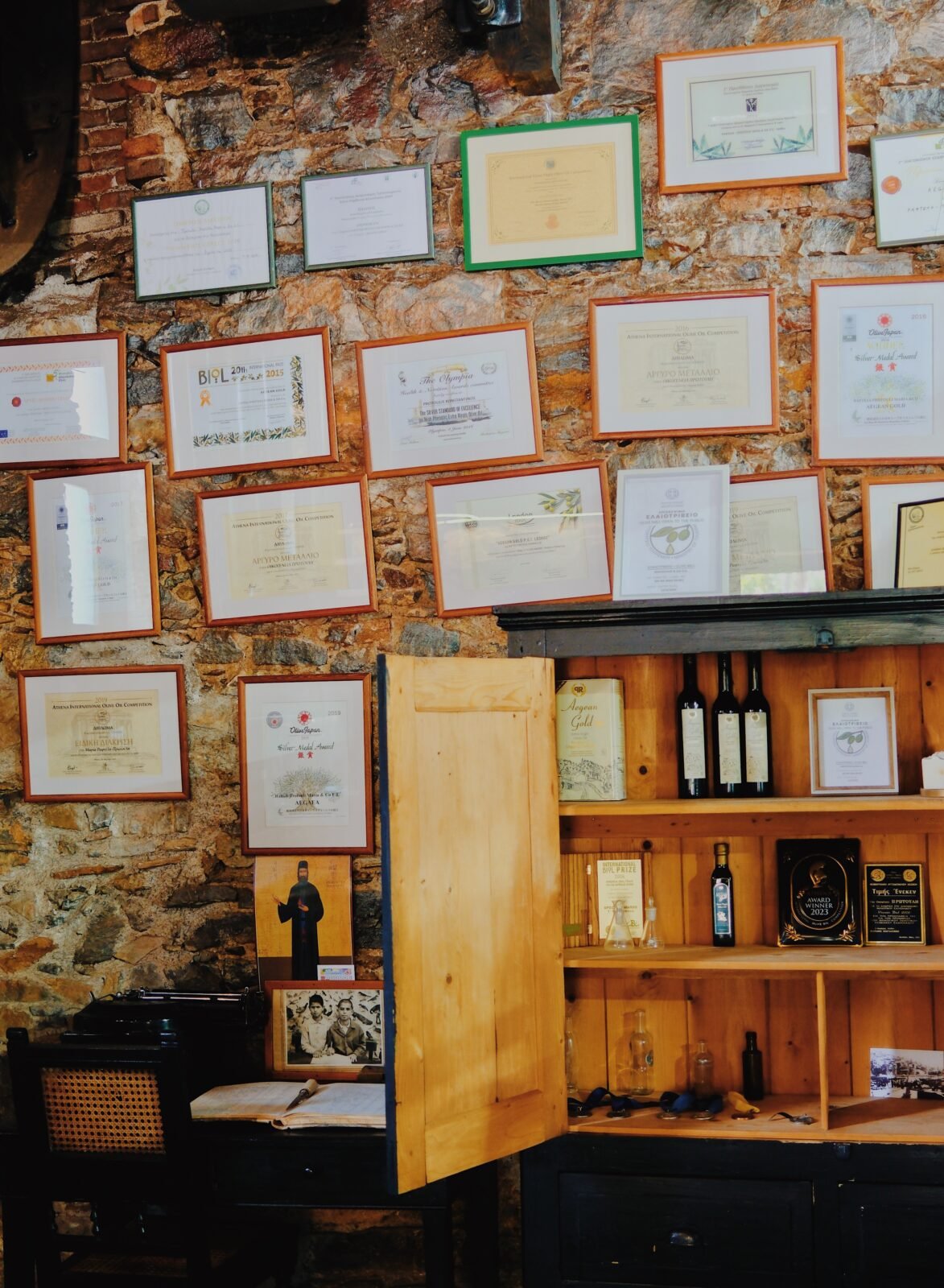
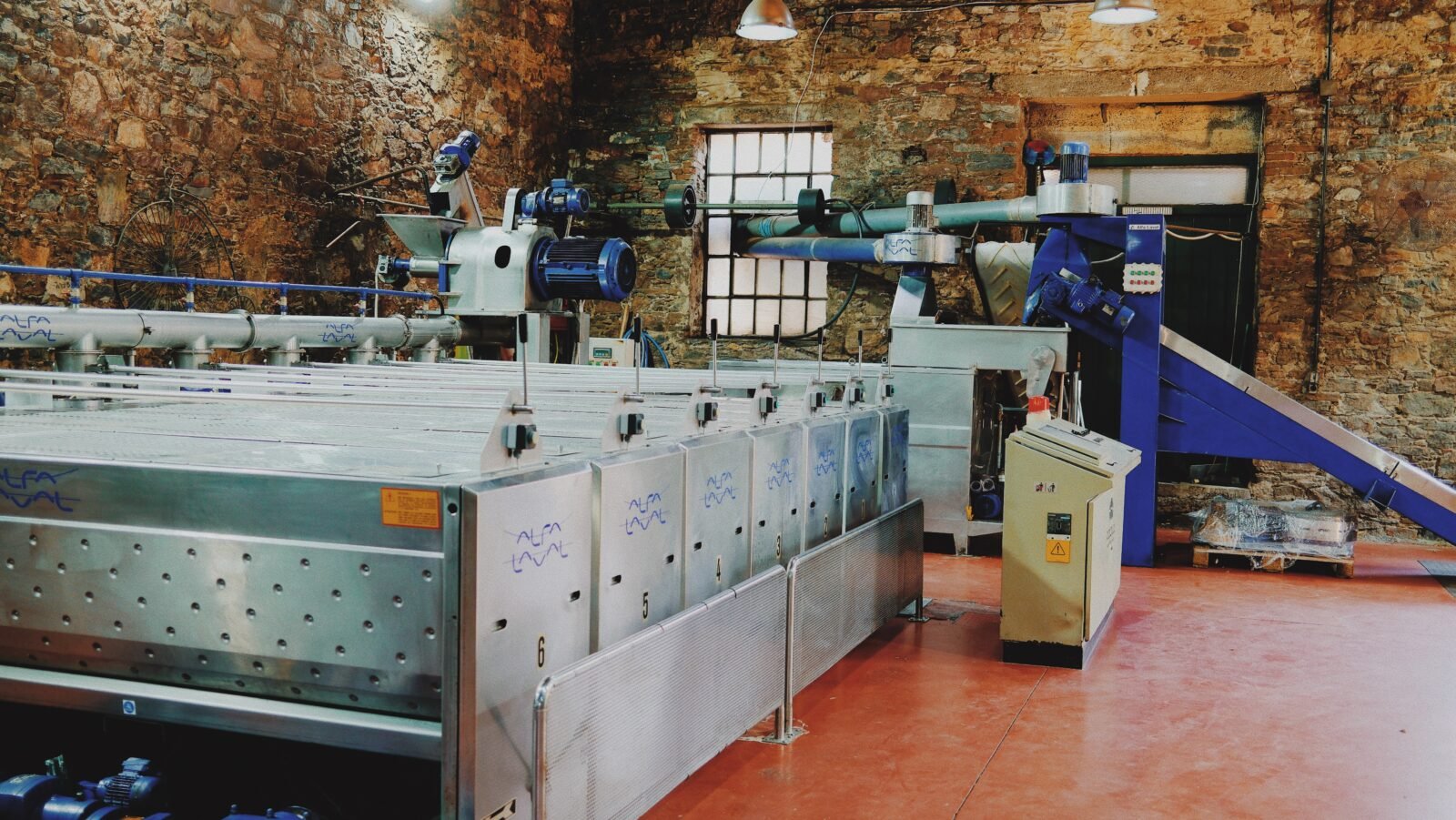
At Protoulis, you can visit the olive mill, learn about the production process and, of course, taste the olive oil. What we particularly liked was that the experience was not just about seeing how olive oil is made. You also learn how to recognise a good olive oil, what to look for when tasting it and how different oils can be used and paired with food.
Choosing a Tour: Three Options
Protoulis runs three guided experiences depending on how much time you want to spend and how much you want to learn.
ABC of Olive Oil, €5 / 60 minutes
The short version. You get an intro to production, see the modern side of the mill, watch a video about harvesting, and taste a premium extra virgin oil. Good if you’re short on time.
For Olive Oil Fans, €20 / 120 minutes
This is the one we did. It covers the full production process, a video on harvesting, and a tasting of several oils with guidance from someone who actually knows what they’re talking about. The focus isn’t just tasting for the sake of it, it’s learning to pick out the actual differences between oils.
Become an Expert, €35 / 150 minutes
he deep dive. A detailed tour, a tasting of four different oils with an expert, and a food pairing with three local dishes, which turns the whole thing into more of a proper meal than a tasting.
Our experience touring Protoulis
We weren’t especially into olive oil going in, and picked “For Olive Oil Fans” mostly on a whim. If you’re not an olive oil person when you arrive, there’s a decent chance you will be by the time you leave.
It turns out different olive oils really do have different flavour notes, similar to wine, and pairing them with food makes those differences much easier to pick up on. We also learned specific ways to taste, smell and judge olive oil that we had no idea existed before. It was more interesting than we expected, honestly, and it changed how we think about something we’d never really paid attention to before.
At the end, we watched a short video about Protoulis and had the chance to buy extra virgin olive oil straight from the producer, in a few different sizes depending on what you need it for. There are other local products in the shop too, including soaps made with olive oil.
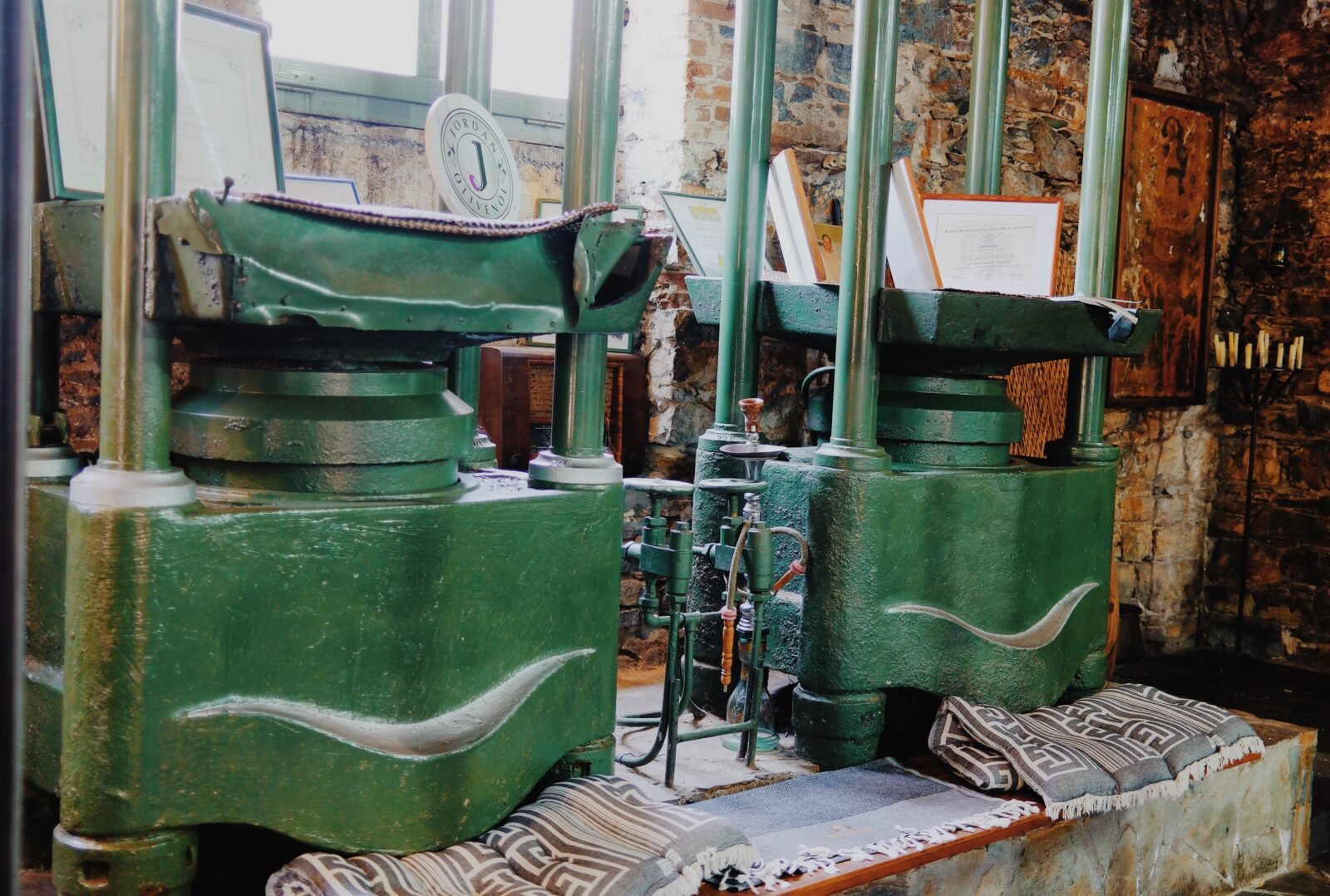
This is an experience we still talk about with friends and family. We often find ourselves telling others about all the things we never knew about olive oil. And, quite honestly, we have become genuine olive oil fans since visiting Protoulis.
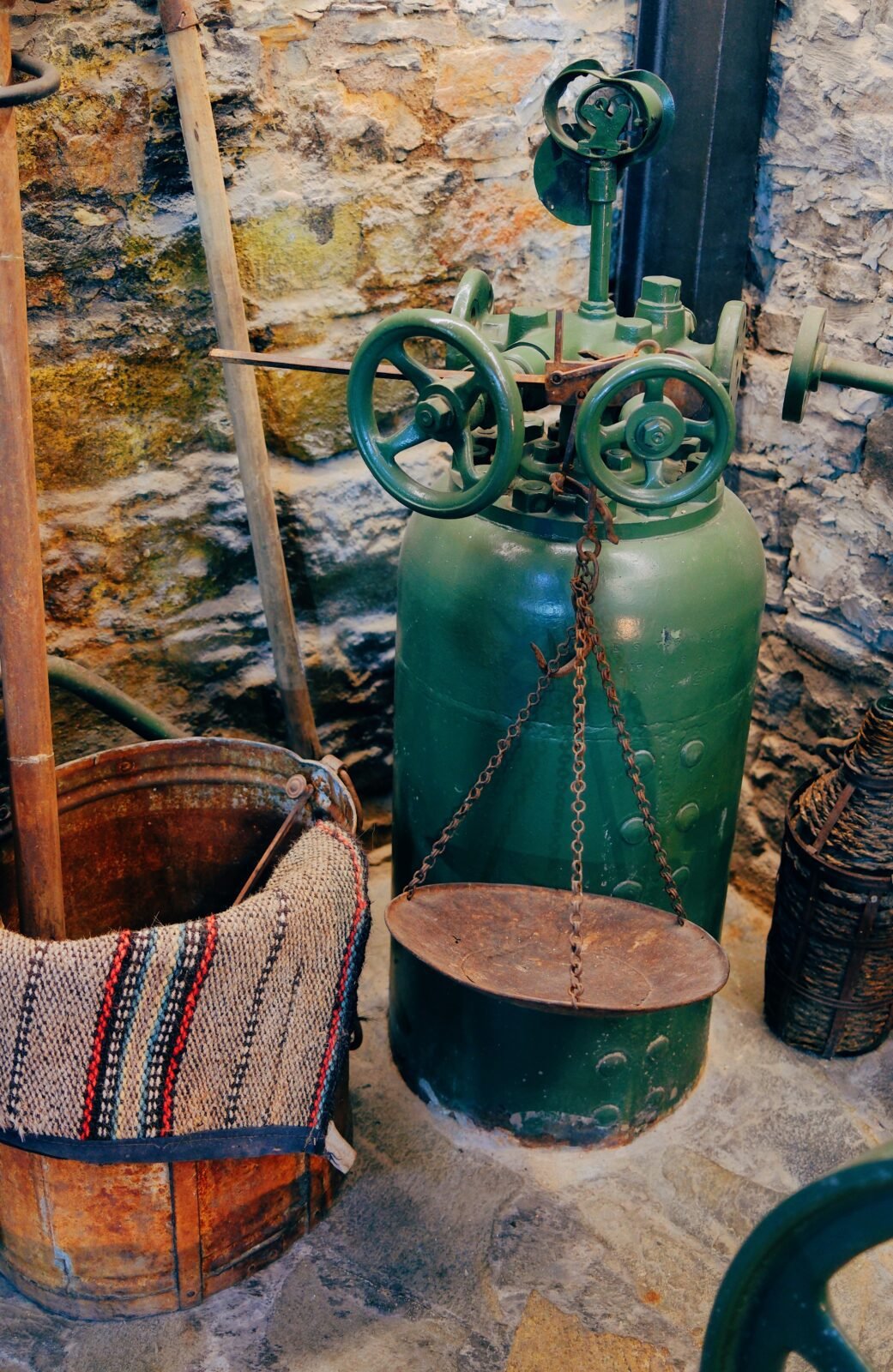
We also called ahead to change our booking time, and the team was easygoing about it, running the tour even though it was just the two of us. It ended up feeling almost private, which we weren’t expecting and really appreciated.
Final Verdict
Protoulis turned out to be one of those experiences we did not expect to enjoy as much as we did. Even if olive oil is not something you are particularly interested in beforehand, we think it is well worth visiting. You leave with a much better understanding of the product, the landscape it comes from and the people behind it and, in our case, a new-found appreciation for olive oil.
Our Take: Best Things to Do in Plomari
Between the ouzo distillery tour and the olive oil tasting at Protoulis, Plomari offers two of the most authentic, affordable local experiences you’ll find anywhere on Lesvos. Both are easy to combine in a single day, both are genuinely worth the drive from Molyvos or wherever you’re based on the island, and both give you a much deeper understanding of two products that define daily life here. If you only have time for one stop in the south of the island, Plomari should be it.