
Your Complete Travel Guide to Lesvos, Greece
Lesvos is one of the largest Greek islands, yet it feels surprisingly untouched, which is exactly why we put together this Lesvos travel guide. It’s not viral, not overdeveloped, and not packed with influencers. What you get instead is real Greek island life with olive groves, stone villages, ouzo distilleries and seaside tavernas where dinner lasts for hours.
This complete Lesvos travel guide will help you plan your visit, whether you’re looking for a romantic getaway, a slow-paced family vacation, or a week exploring local villages and cuisine.
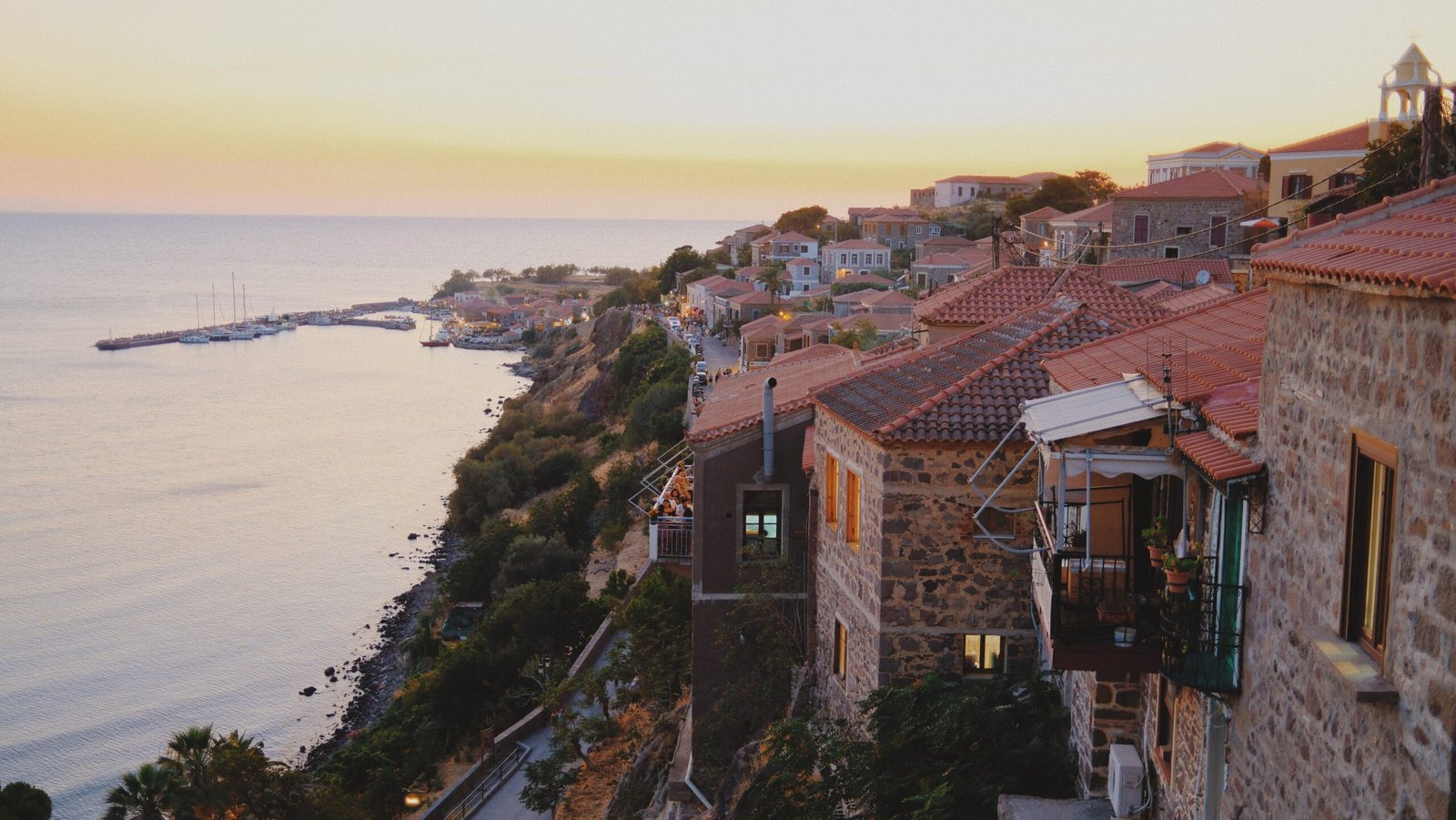
Quick Lesvos Travel Guide
Lesvos in five words: authentic, peaceful, safe, Greek, hidden gem
Best for: Couples and families who want a relaxed pace and an authentic Greek island experience away from mainstream tourism.
Getting around: Rental car. There are a few organized bus and boat tours available through charter companies.
Currency: Euro (€)
Language: Greek
ElEctric plug: EU
Short travel tip: Rent a car and explore the island independently. Stop in small villages, drink a Caffè Freddo at local cafés, and bring home handmade Greek ceramics.
Who should visit Lesvos?
This Greek island is ideal for travelers who want to escape busy tourist spots and experience the authentic Greek lifestyle. However, if you’re looking for turquoise party beaches and all-inclusive resorts, Lesvos is not it. Instead, the pace here is slow, making it perfect for couples, families, or solo travelers who enjoy exploring without the rush.
Charming Villages in Lesvos: 7 Must-Visit Towns →
Lesvos is great for:
- Couples wanting a calm, romantic getaway
- Families who appreciate safe surroundings and relaxed beaches
- Travelers who enjoy café culture and village life
- Anyone curious about experiencing a more authentic side of Greece
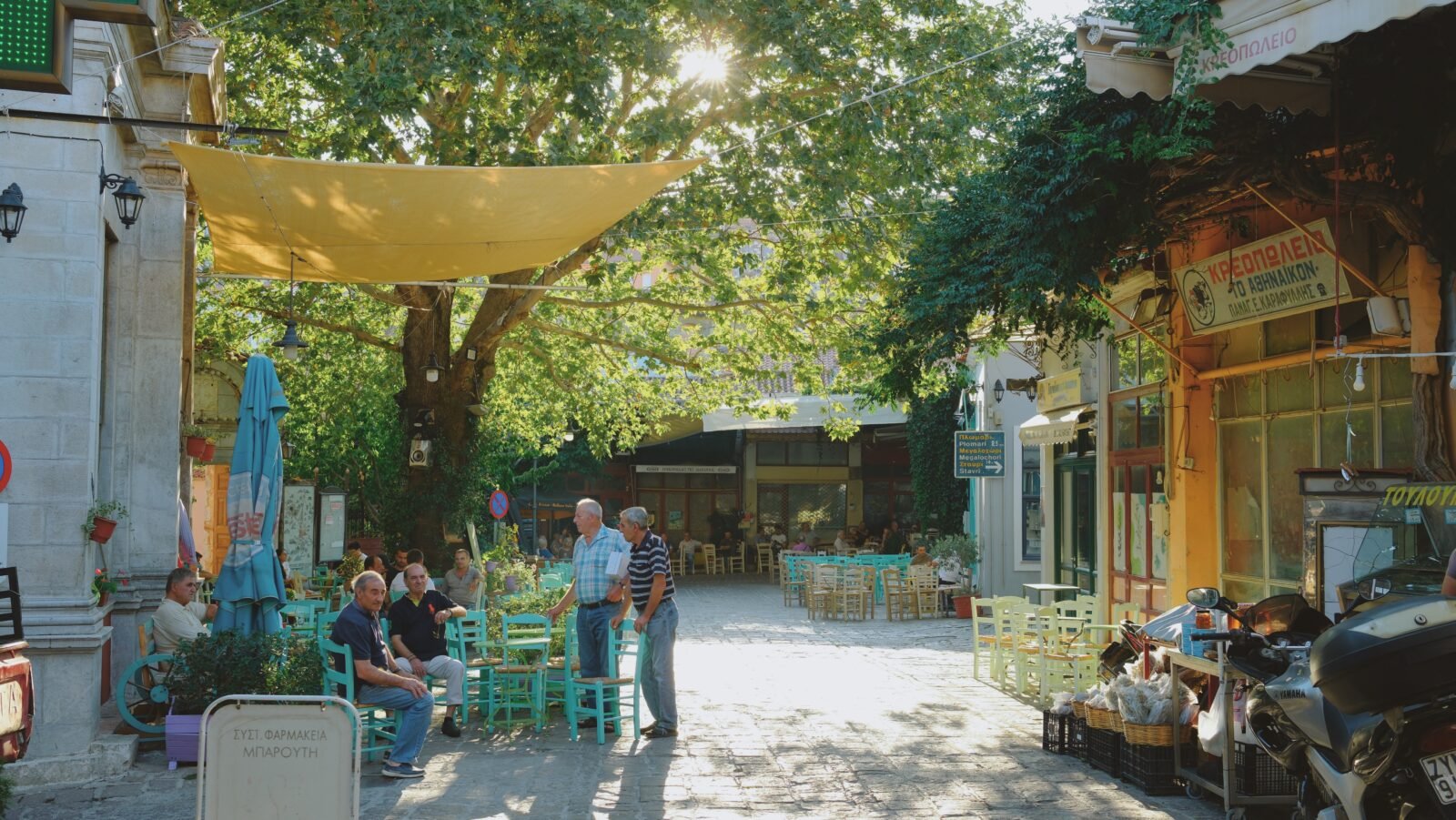
Lesvos is great for authenticity, slow mornings, local cafés and evenings that stretch into golden sunsets. For us, Lesvos was the perfect couple’s trip. This greek island is the ultimate place to slow down, reconnect, and enjoy good food, sunsets, and meaningful conversations without stress.
What are the beaches like?
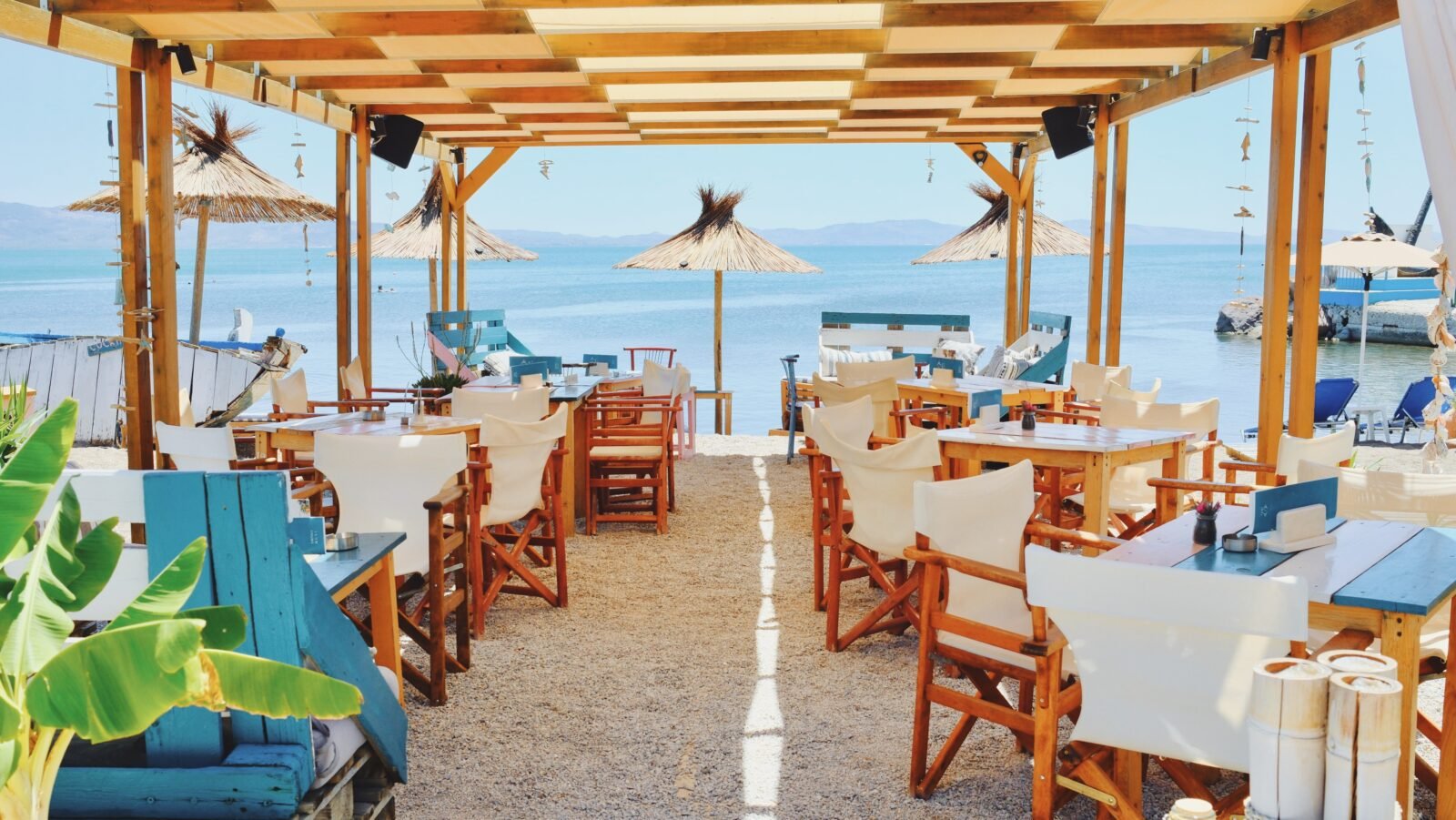
If you’re specifically looking for white-sand beaches and turquoise Caribbean-style waters, Lesvos may not fully meet those expectations. The water is crystal clear, but more deep blue than bright turquoise. You will find a lot of pebble stone beaches, bathing shoes will come in handy on some beaches.
How long should I stay for?
A one-week trip should be more than enough time to explore the island. Lesvos also works well as part of a Greek island-hopping itinerary, though ferry schedules can make short stops challenging.
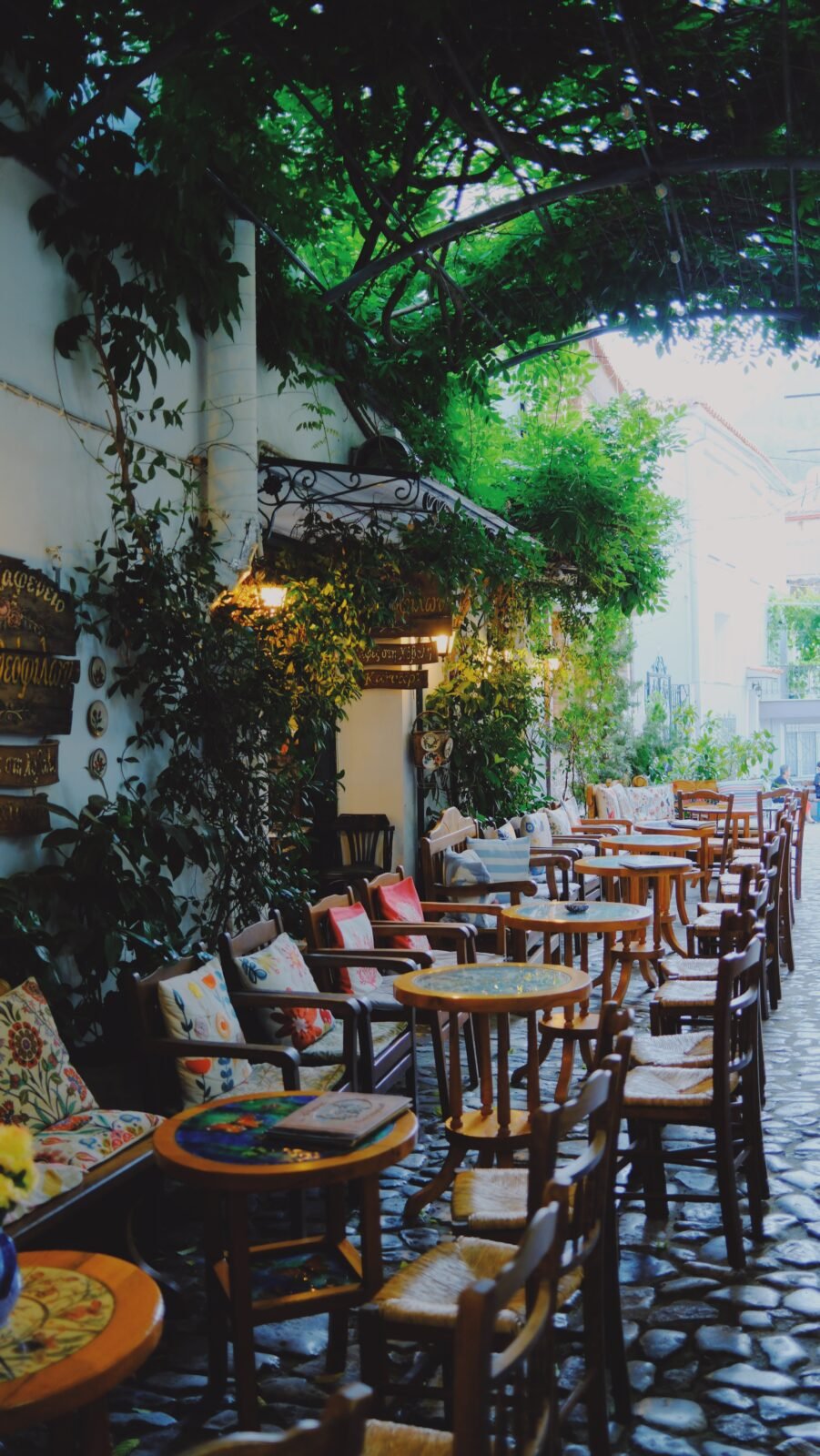
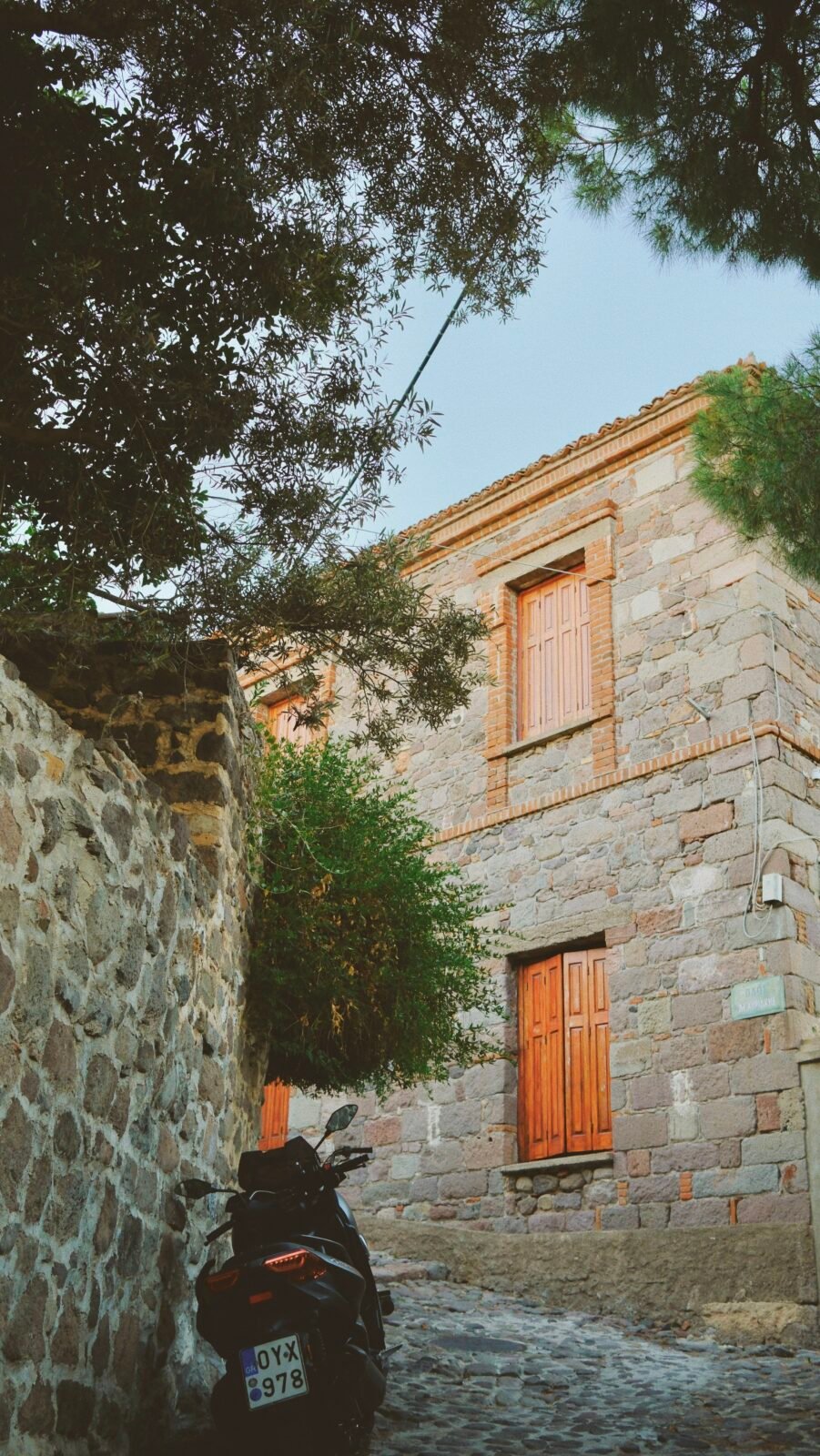
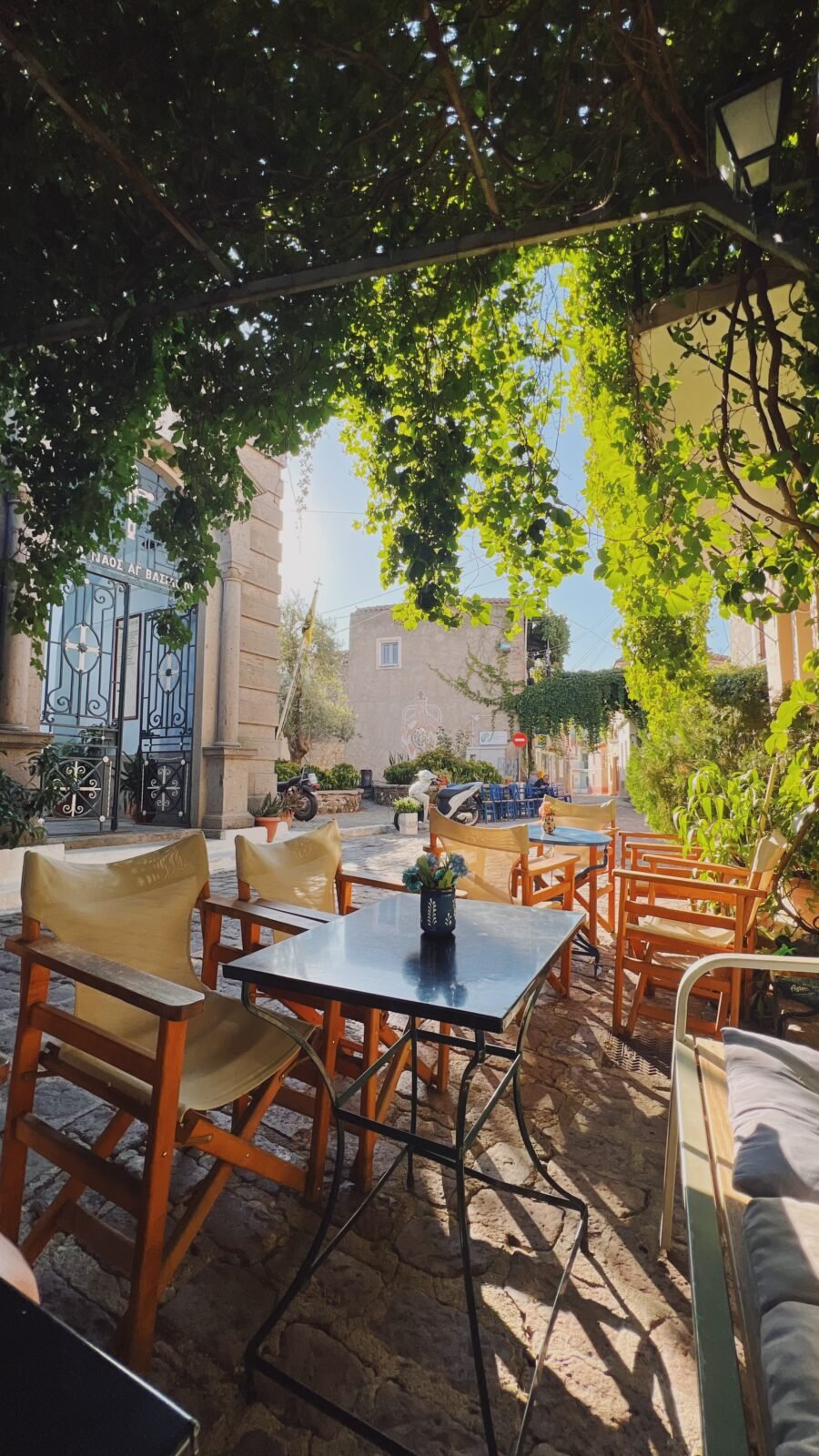
So what makes Lesvos special?
You will quickly realize this island is not viral or overexposed. You won’t constantly feel surrounded by tourists. Instead, you’ll discover small cafés, scenic viewpoints, quiet beaches, and authentic tavernas at your own pace.
Getting around Lesvos
Most tourist services are limited, so renting a car is essential if you want to explore beyond your hotel town. Lesvos is one of the larger Greek islands, so it’s best to choose one area to explore each day. For boat enthusiasts, some day trips are available from the harbors of Molyvos or Mytilini, though inter-island day trips are difficult due to limited ferry schedules and often require an overnight stay.
Choosing your rental car agency
There are not a lot of big rental firms on Lesvos, but there are plenty of local ones. Read Google reviews and ask for an offer via WhatsApp. We used Antony car rental, and we were very pleased. They even delivered the car at the hotel for free.
Difficulty
Driving on Lesvos is straightforward. The main roads are well-maintained, and traffic is generally light outside Mytilini. Some roads can be narrow with sharp bends and steep sections, but they are navigable for most vehicles. Greek drivers have a relaxed style – you might get overtaken occasionally, but overall, driving is manageable.
Planning your route
Google Maps works reasonably well, though it can suggest very small rural paths. Checking routes with your hotel reception can save some guesswork. Plan extra time, the route time can be incorrect.
Parking
Parking is easy to find in most villages, with free public lots available near the centers. Inside older villages, streets can be narrow, but there’s almost always a nearby lot.

What to do on Lesvos
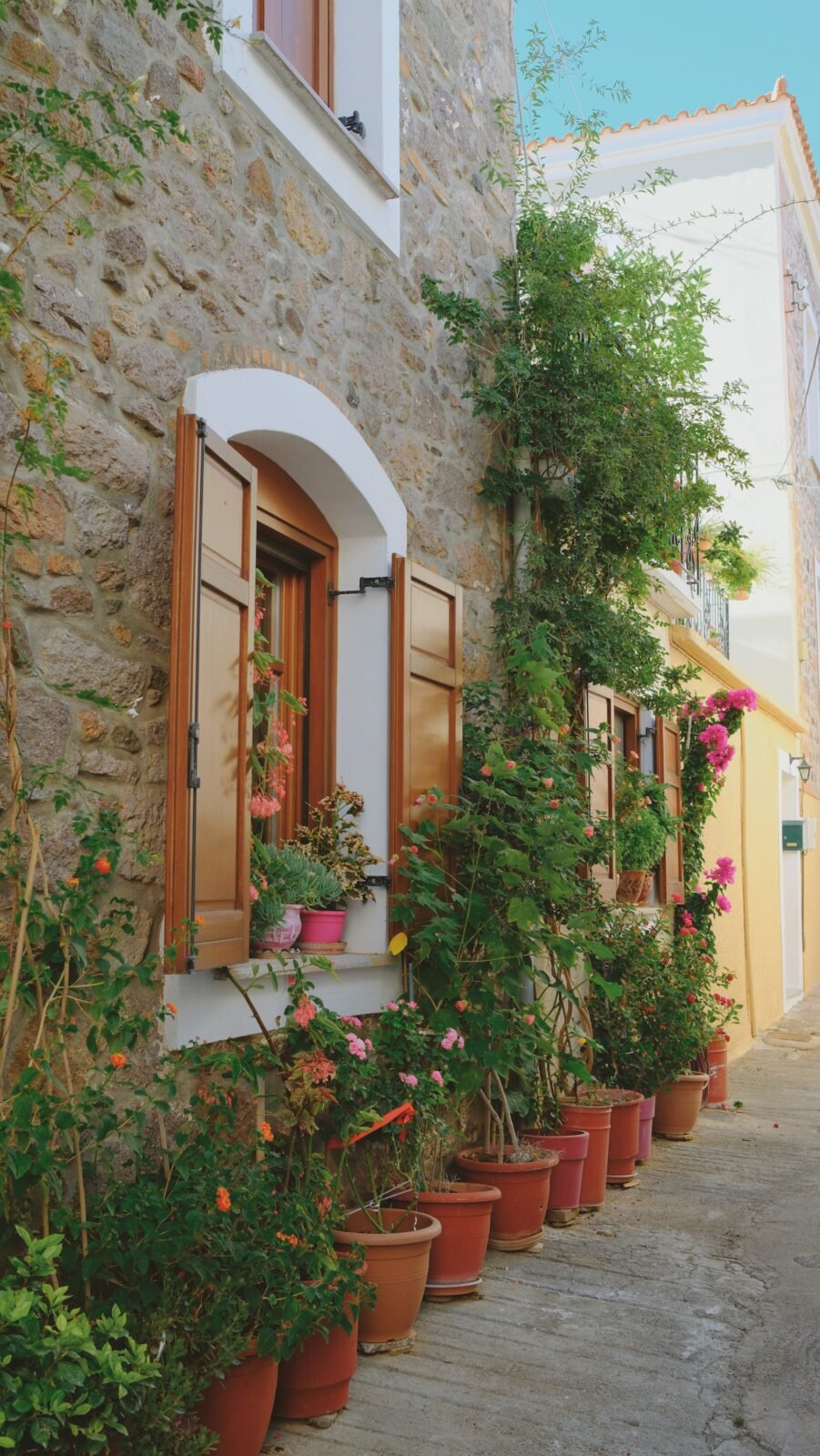
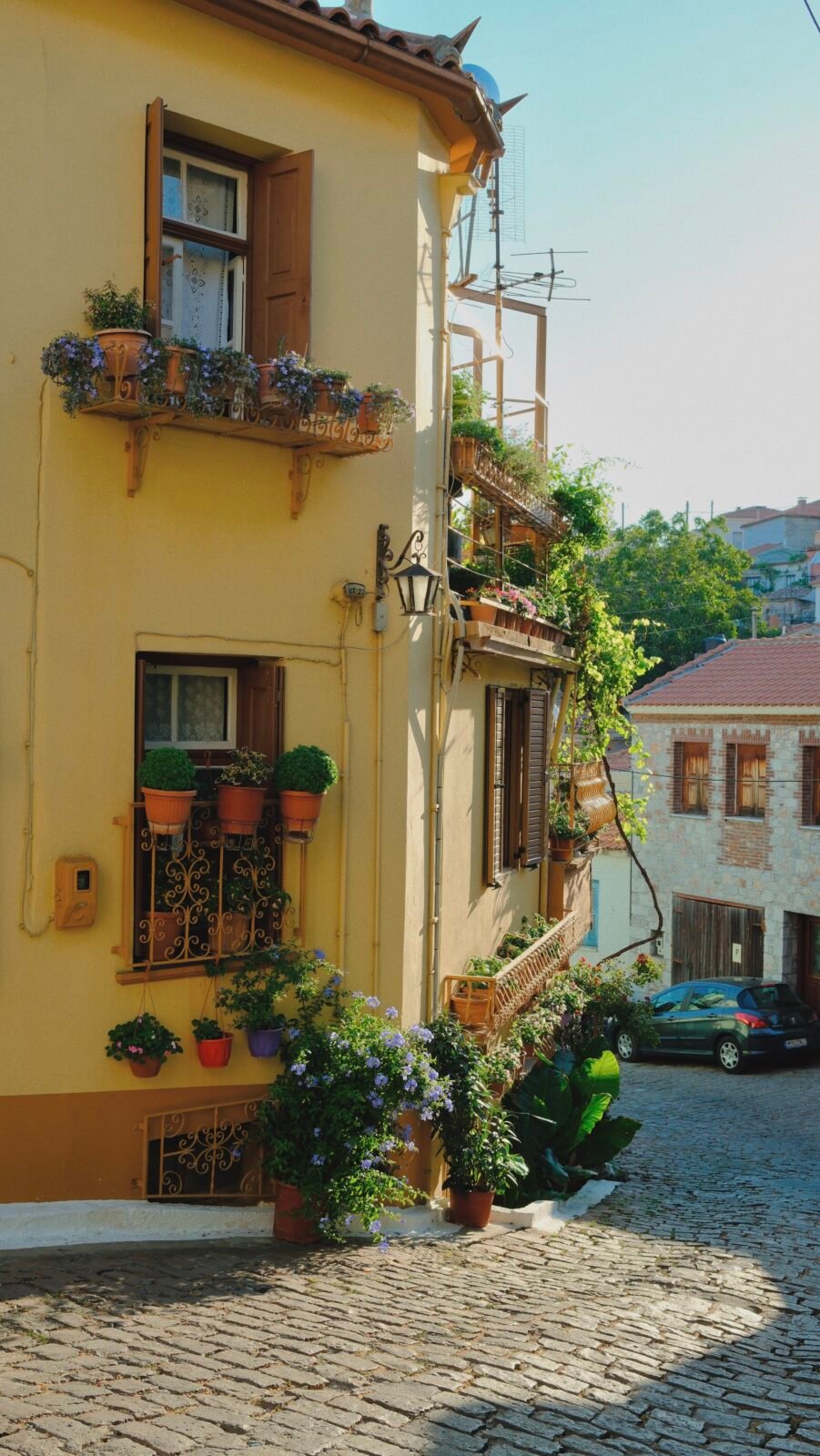
Agiasos: Wander the narrow, cobbled streets of this picturesque hilltop town, and get pleasantly lost among the old stone houses and the Byzantine church at its heart.
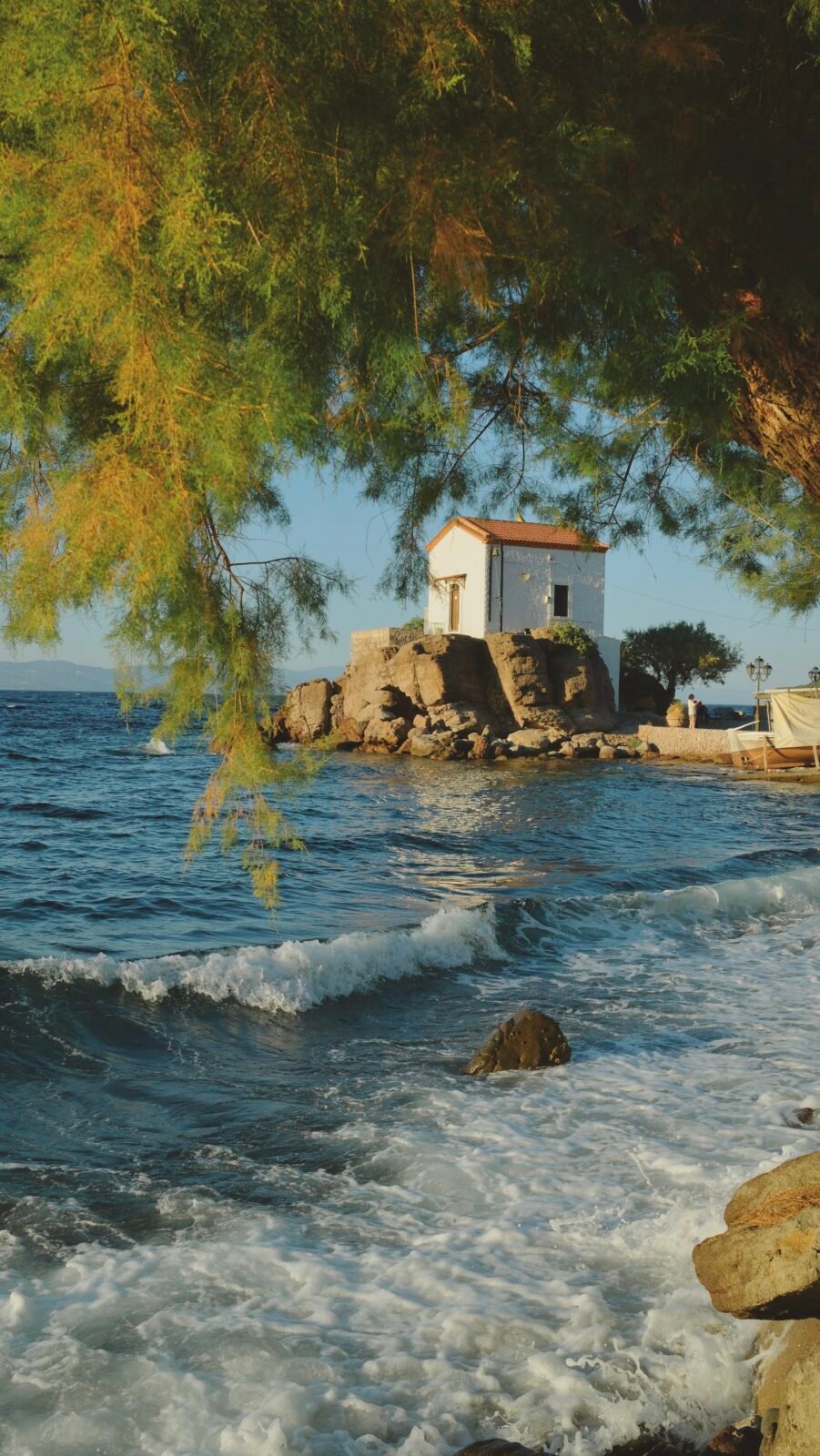
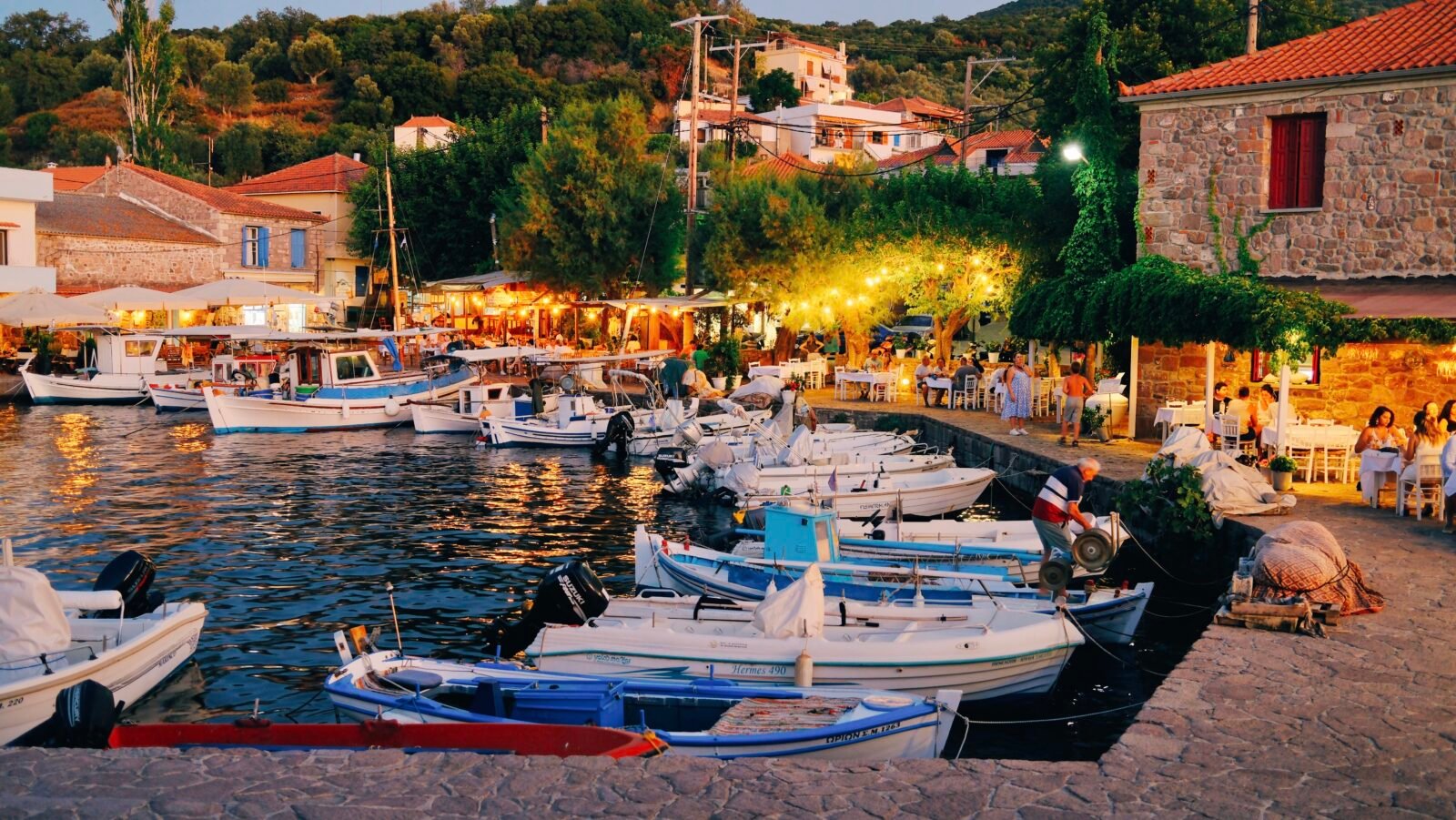
Skala Sikamineas: Enjoy a delicious fish lunch or dinner in this small fishing village on the north coast, where colourful boats line a tiny harbour.
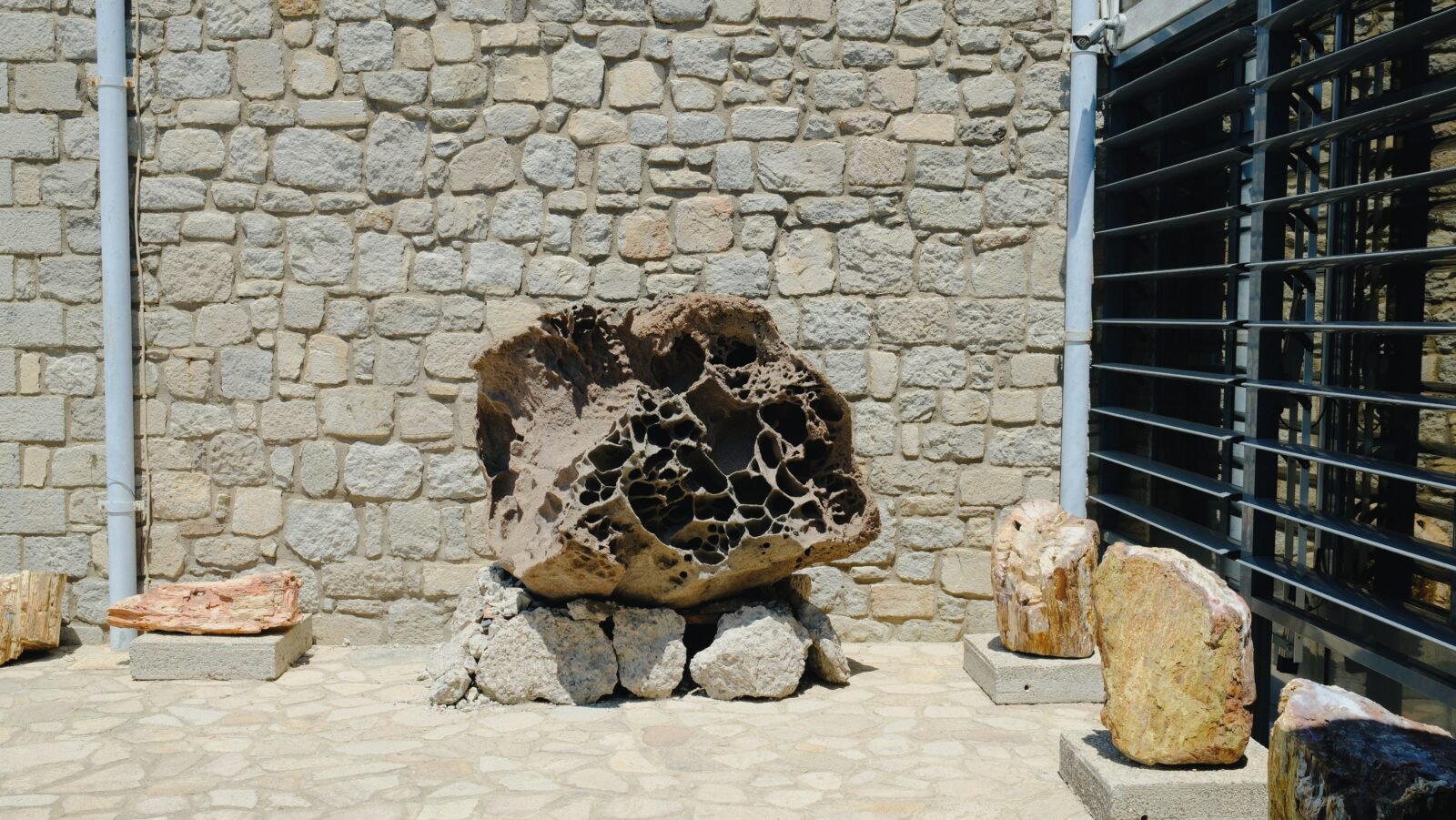
Sigri Petrified Forest: Visit the petrified forest and its museum, where fossilised trees millions of years old rise from the earth like stone sculptures. Located in western Lesvos, this unique natural landmark is one of the island’s top attractions, combining stunning landscapes with geological and historical significance.
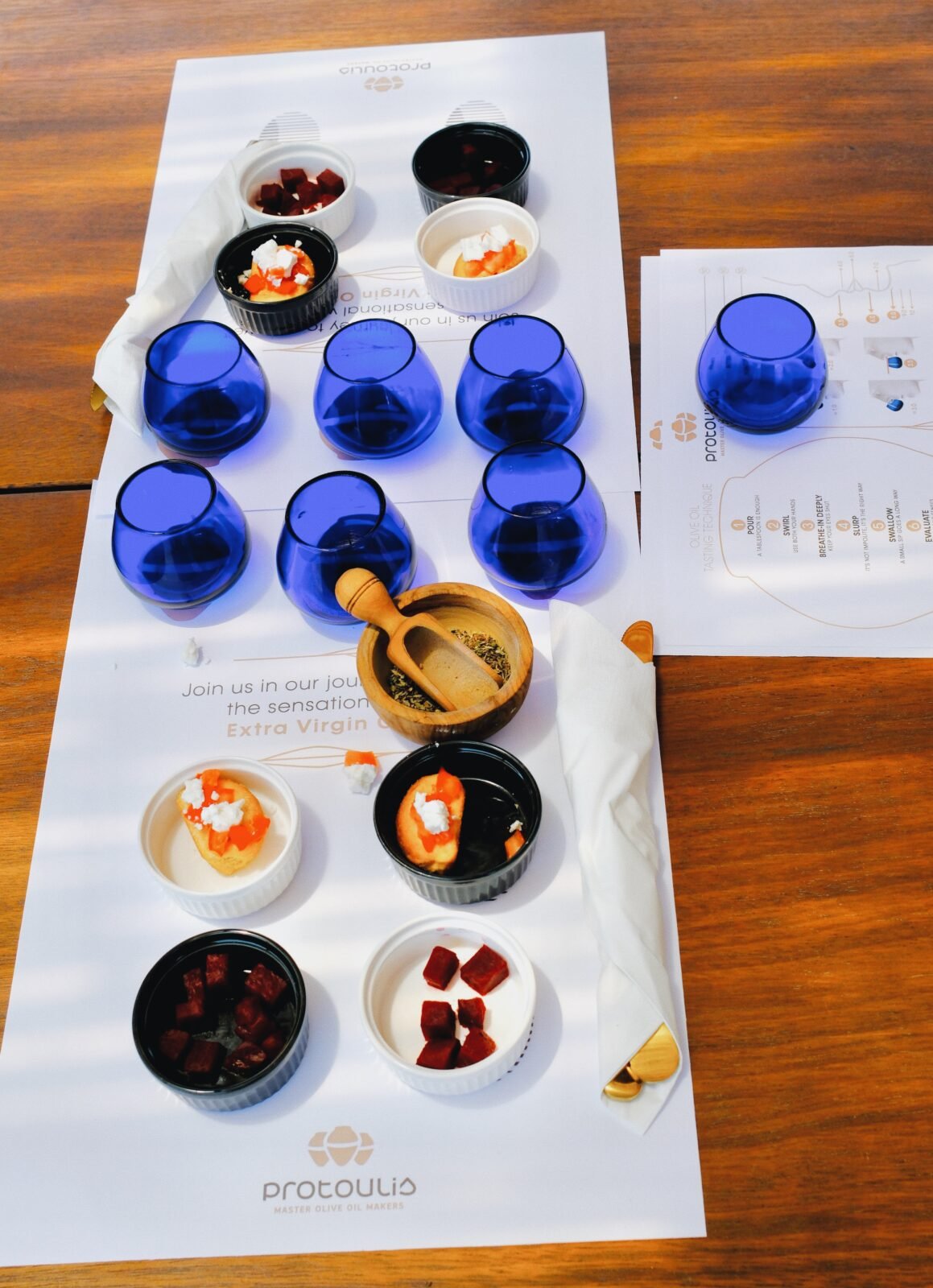
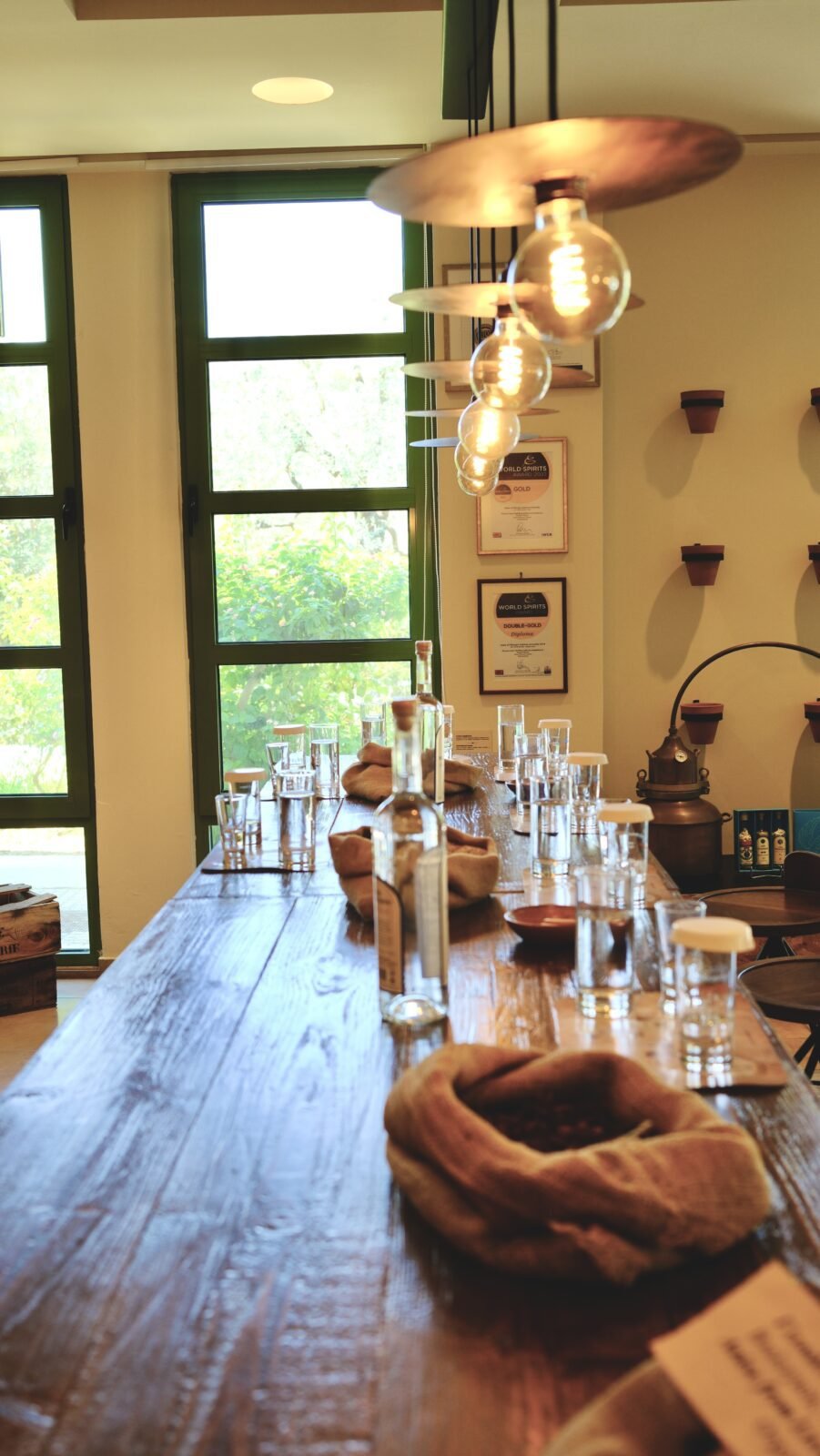
Plomari: ouzo and olive oil. Visit a traditional distillery in Plomari, the birthplace of ouzo, and taste the famous aniseed spirit where it’s actually made. While you’re there, stop by Protoulis for an olive oil tasting, almost like a wine tasting, only with olive oil. Book the “For Olive Oil Fans” experience in advance.
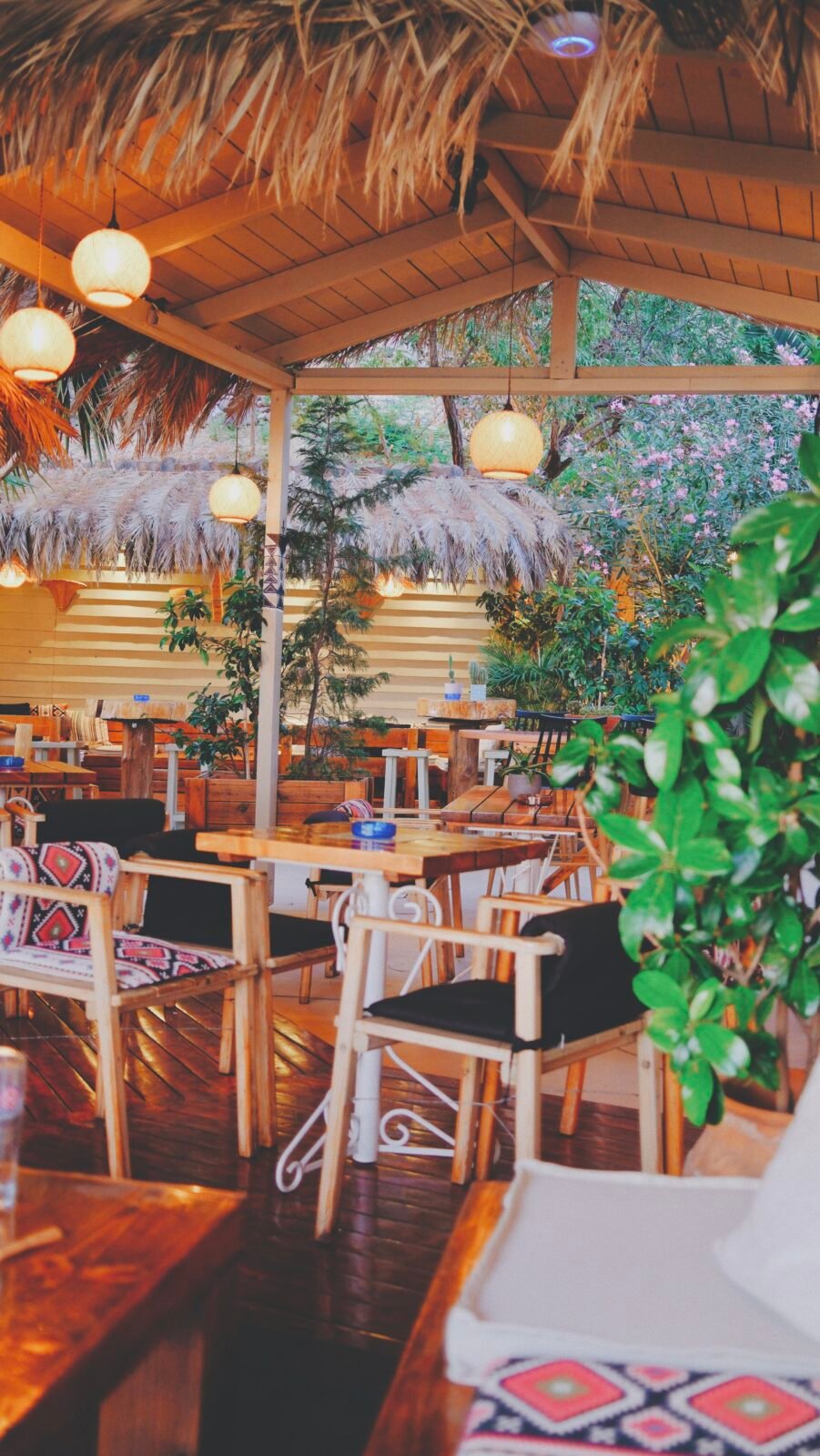
Molyvos at sunset: Wander the streets of Molyvos in the evening, then settle in at one of the restaurants to watch the sunset over the water. Book a table early for the best view.
For boat enthusiasts, you can do some mini tours from the harbour of Molyvos. You will find multiple operators when walking the harbour, no need to book ahead.
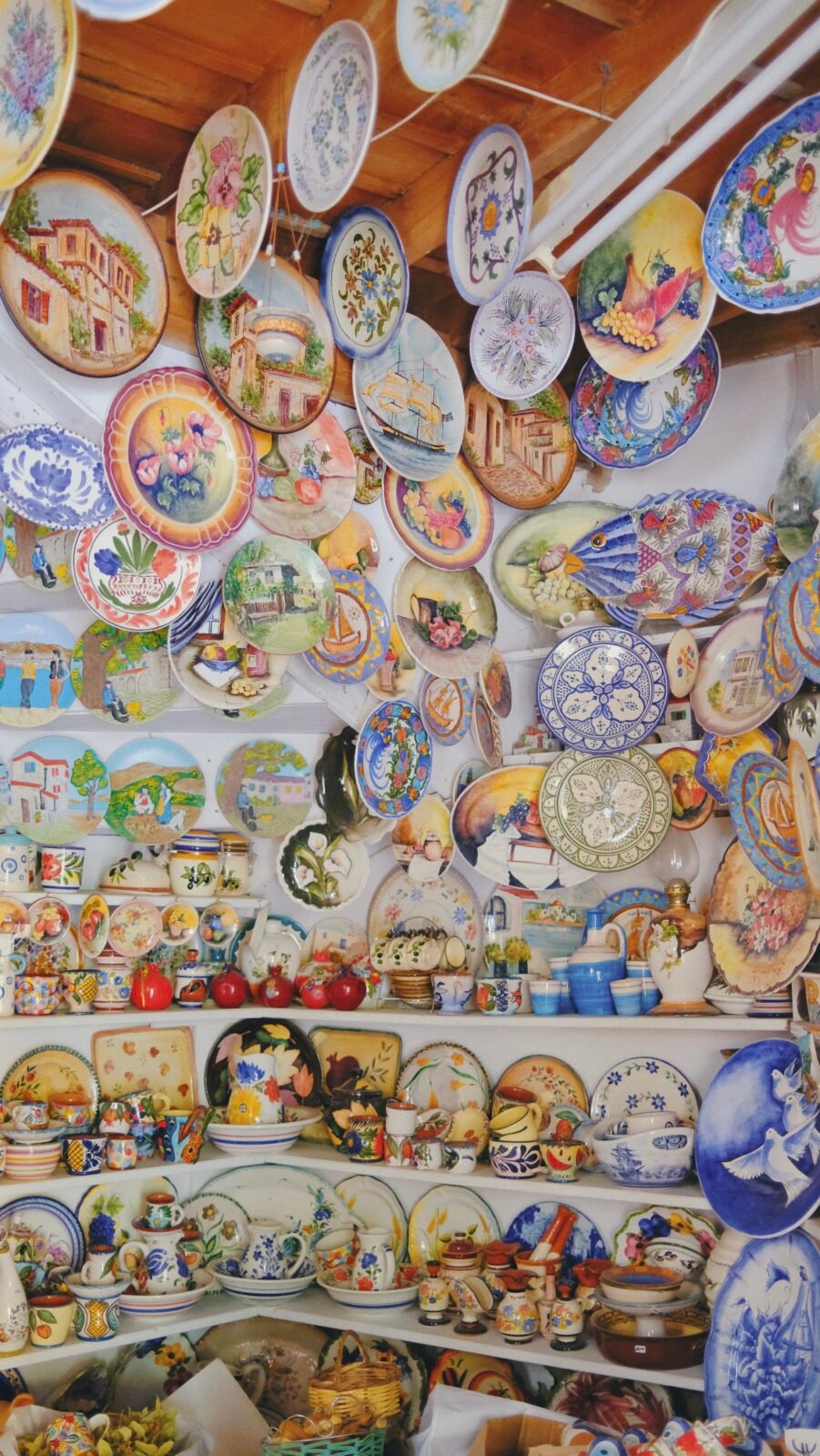
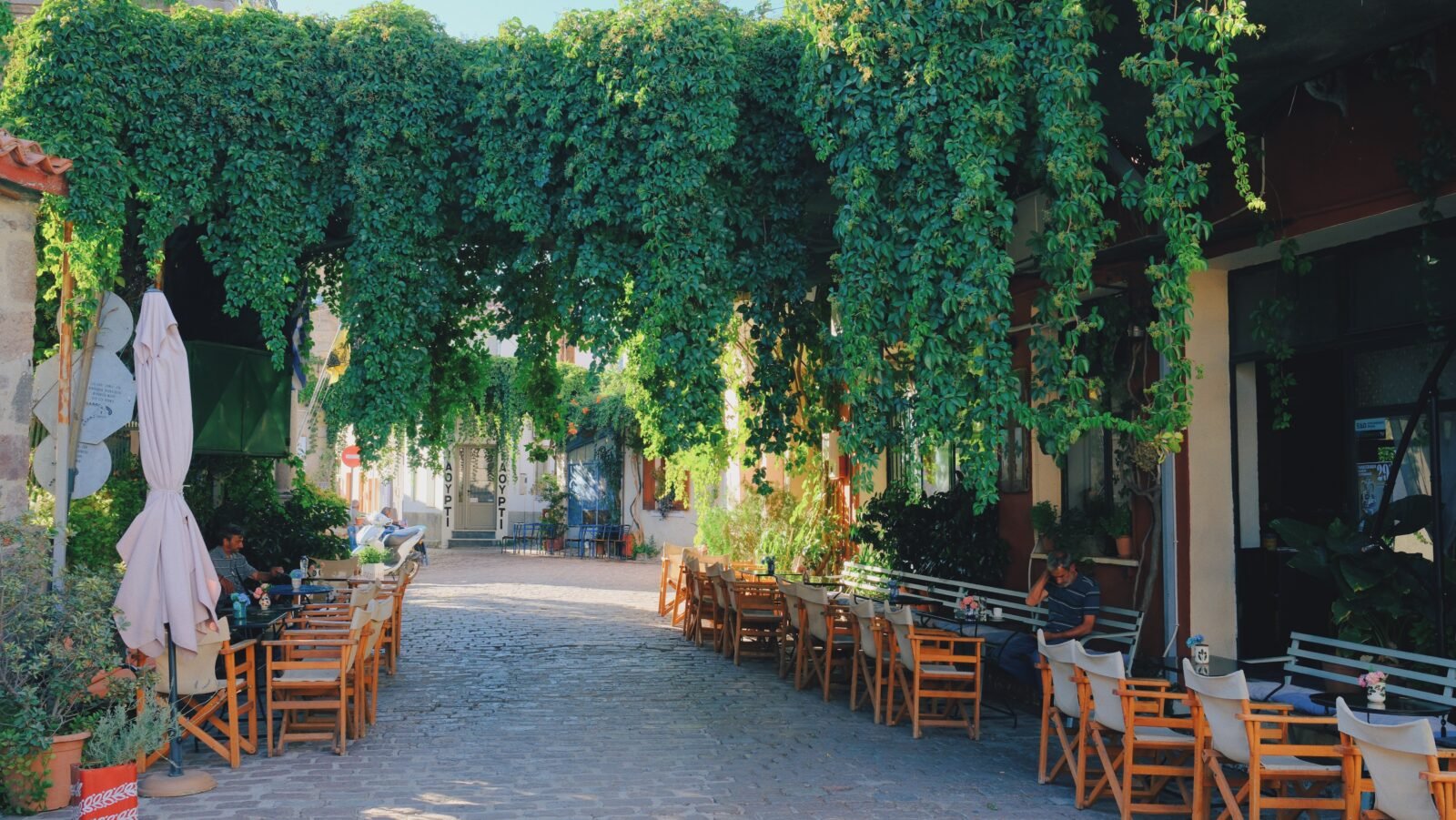
Mantamados: coffee and ceramics. Drink coffee in the shade of old, sprawling vines at the charming café TO KENTRO 1904, then browse handmade ceramics straight from the workshops of local artists. Bring cash, most don’t take cards.
Where to stay on Lesvos?
Accommodation on Lesvos ranges from small boutique hotels and apartment rentals to holiday homes. Unlike larger islands such as Rhodes or Crete, there are very few large resorts here, so staying at locally run properties adds to the authentic experience.
Charming Villages in Lesvos: 7 Must-Visit Towns →
Molyvos
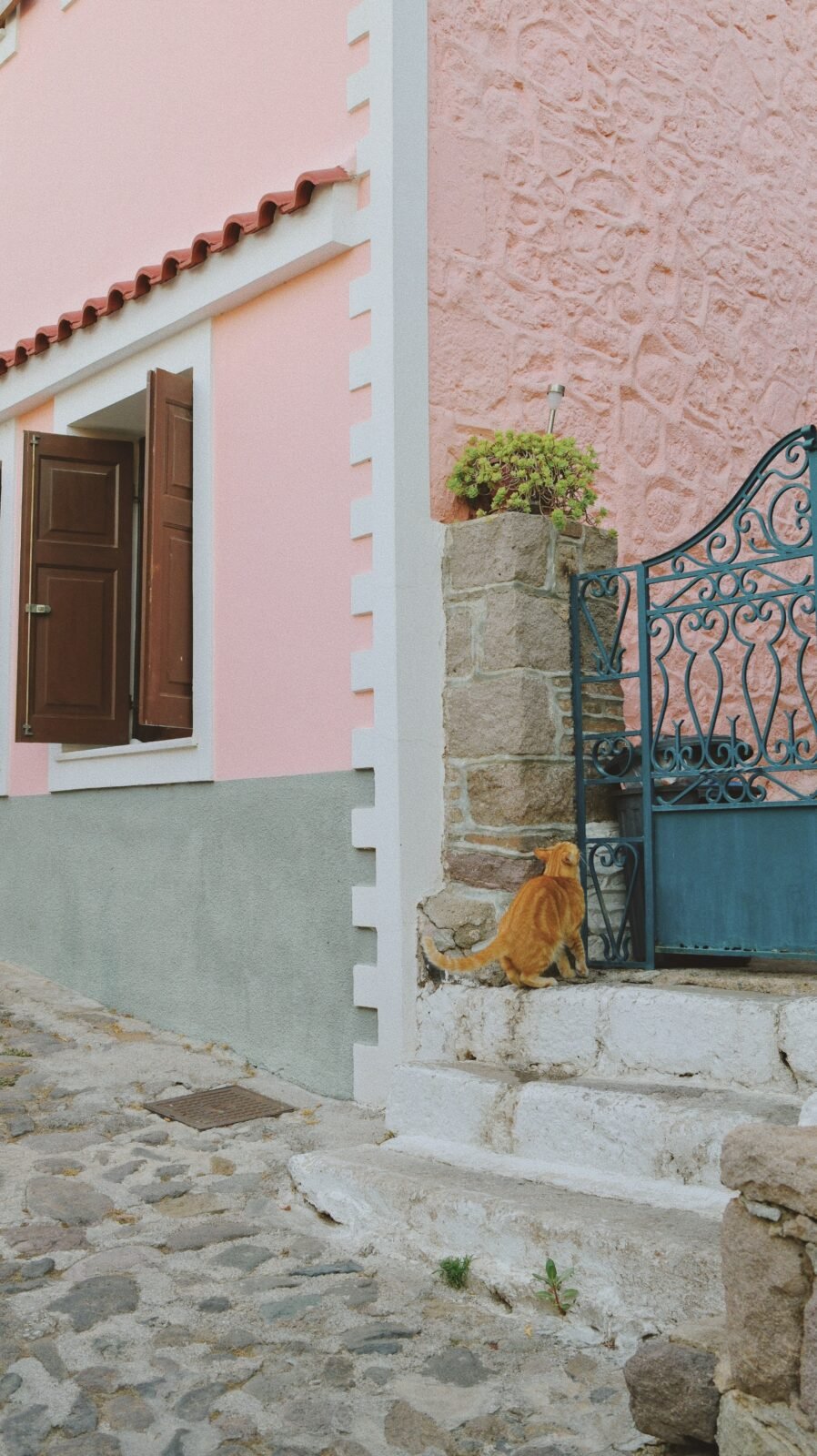
Molyvos is in my opinion, the strongest base on the island. It offers sunset terraces, beaches, cobble stone streets perfect for strolling, a cozy harbor and enough restaurants to keep you happy for a week.
If you love aesthetic stone houses, castle views, small alleys and a good selection of restaurants, this is where you should stay. The atmosphere is romantic and charming without feeling staged.
Choose Molyvos if you want the most visually beautiful setting on Lesvos.
Eressos
Eressos is more tourist-oriented than many other villages on the island. That also means more restaurants, cafés and water activities like pedal boats and water sports. But at the same time less authentic feel.
The long sandy beach is one of the main reasons people choose this area.
The Aeolian Village Beach Resort offers a private section of beach, a large pool, yoga classes, and sports facilities.
Plomari
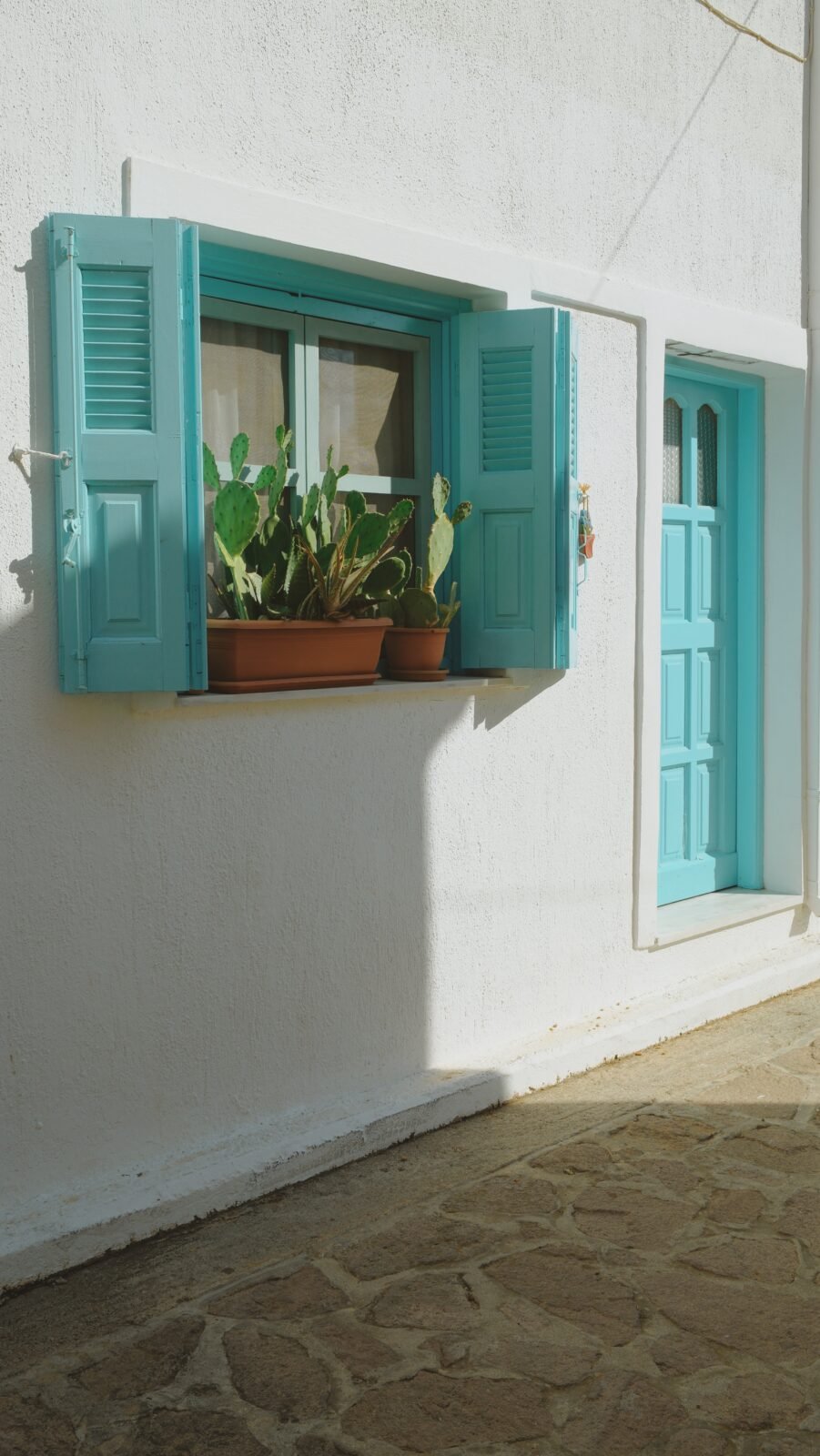
Plomari is known for ouzo production and has several nearby beaches.
The town itself feels more ordinary architecturally, but it works well if you prioritize beach access. It also has some modern hotel options.
Porto Plomari is a stunning hotel with modern facilities you should consider.
Mytilini
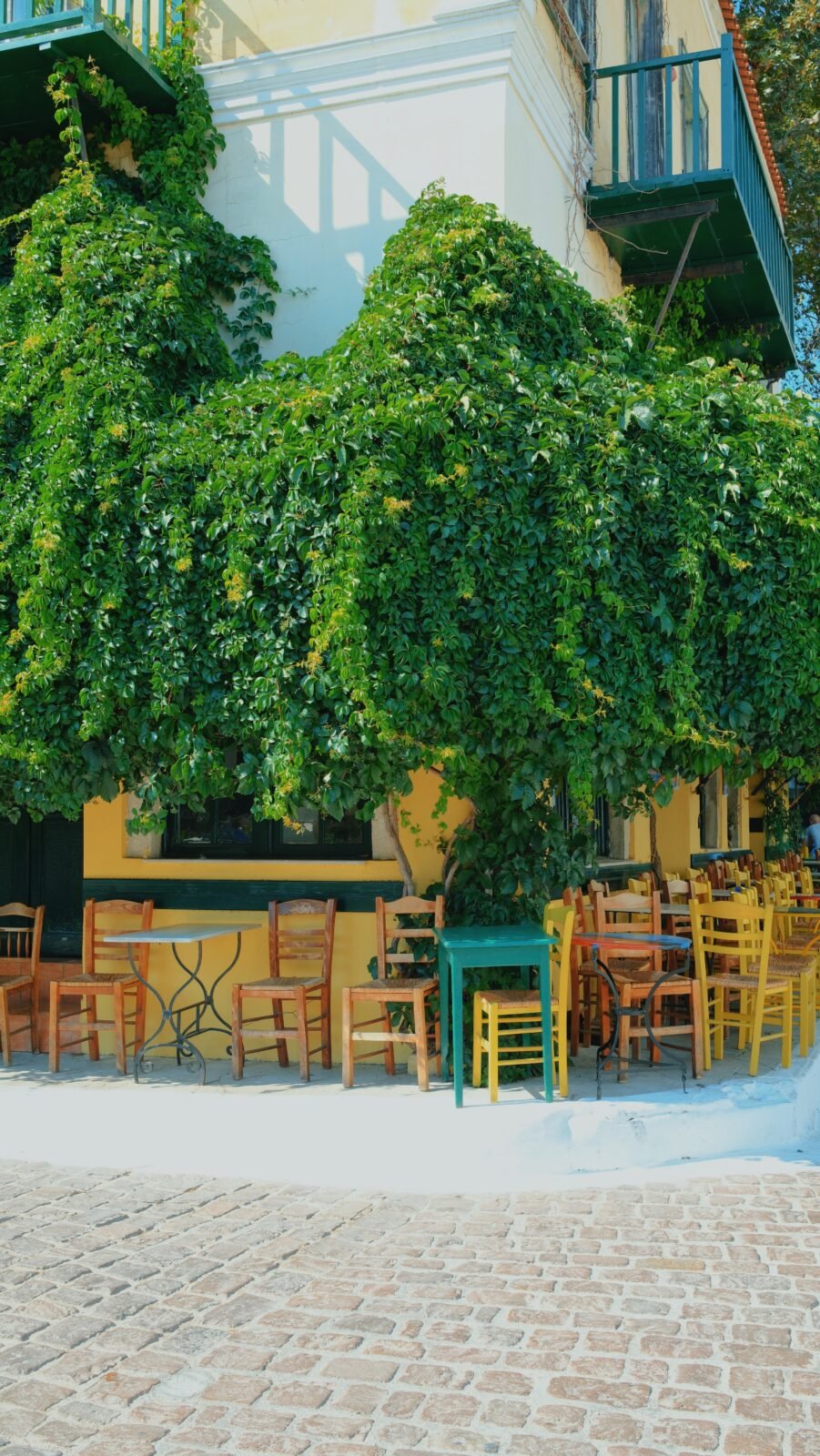
Mytilini is the island’s capital. If you prefer city life, shops and a wider restaurant selection, this could be a good base
From here, you’ll need to drive to reach most beaches and scenic villages.
Landmarks include Mytilene Castle and Agios Therapon Church.
Hotels here are typically smaller and may not offer pools, but the proximity to local life makes it a unique experience.
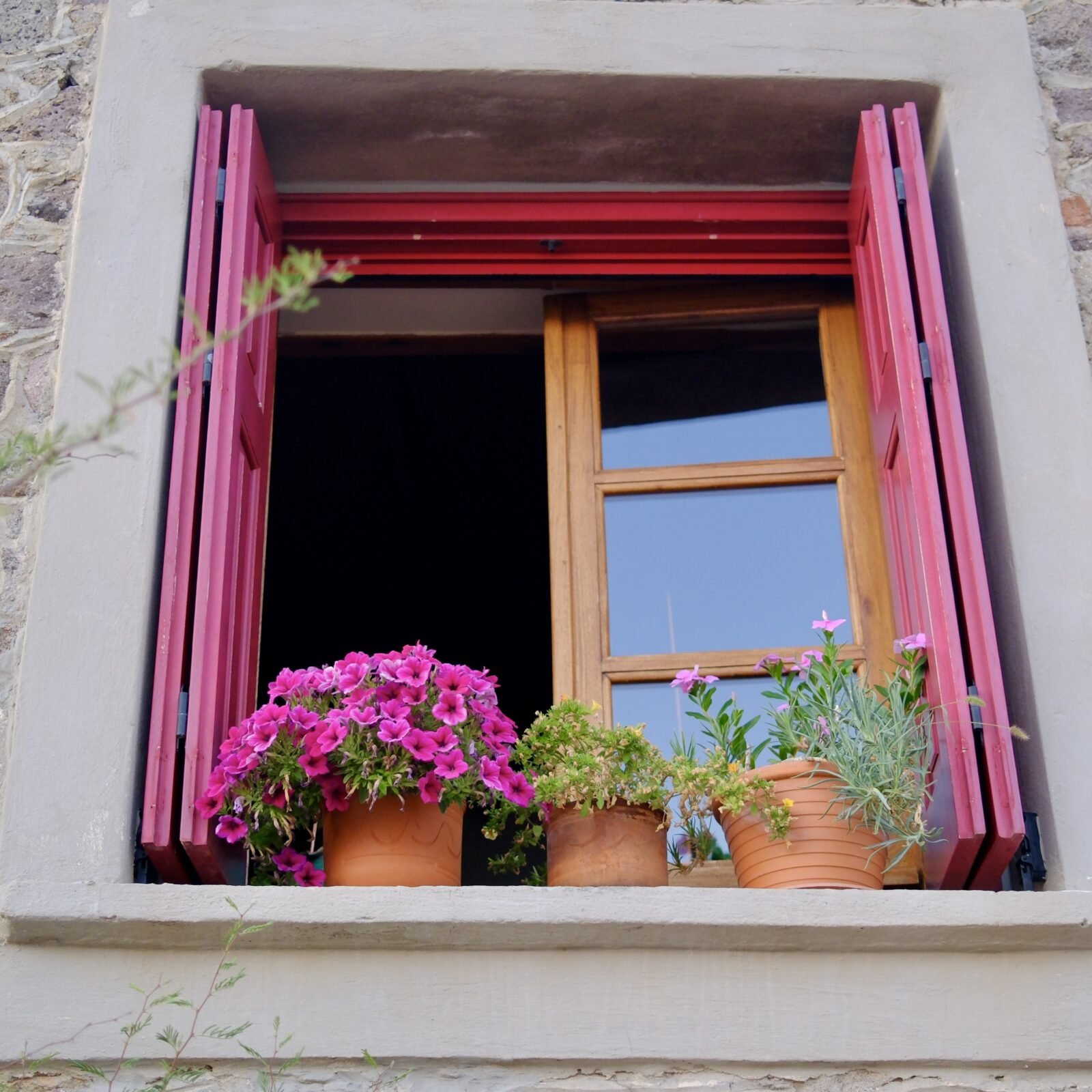
Check Out My Other Lesvos Guides
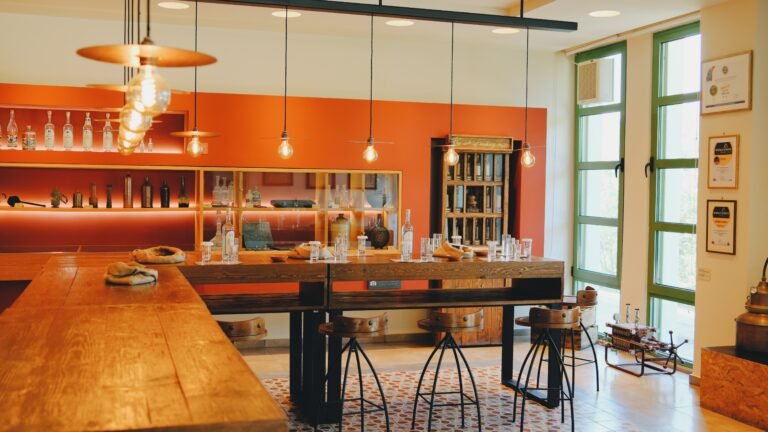
Unique Things to Do in Plomari, Lesvos: Ouzo Museum and Olive Oil Tasting

Driving in Lesvos: A First-Hand Guide to Roads, Routes and Car Rentals
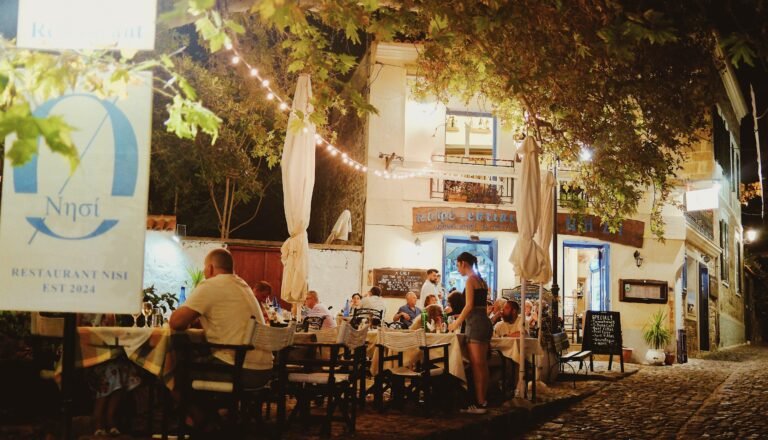
Molyvos: Where to Eat and Drink
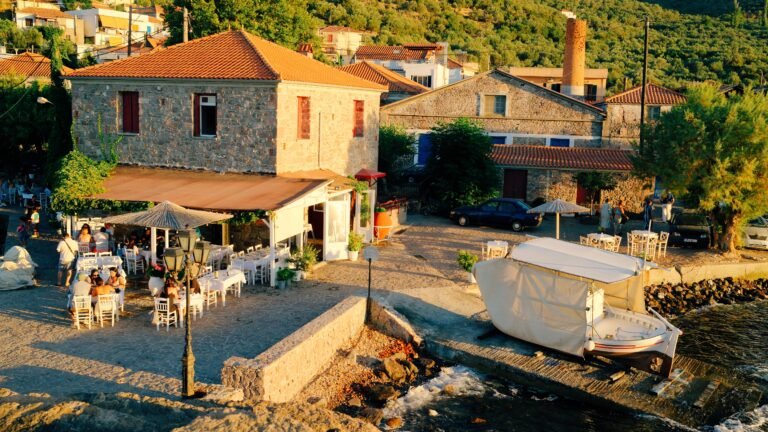
Charming Villages in Lesvos: 7 Must-Visit Towns
Charming Villages in Lesvos: 7 Must-Visit Towns Sunset over Skala Sikamineas harbour on Lesvos, Greece. These are some of the most charming villages in Lesvos,…